

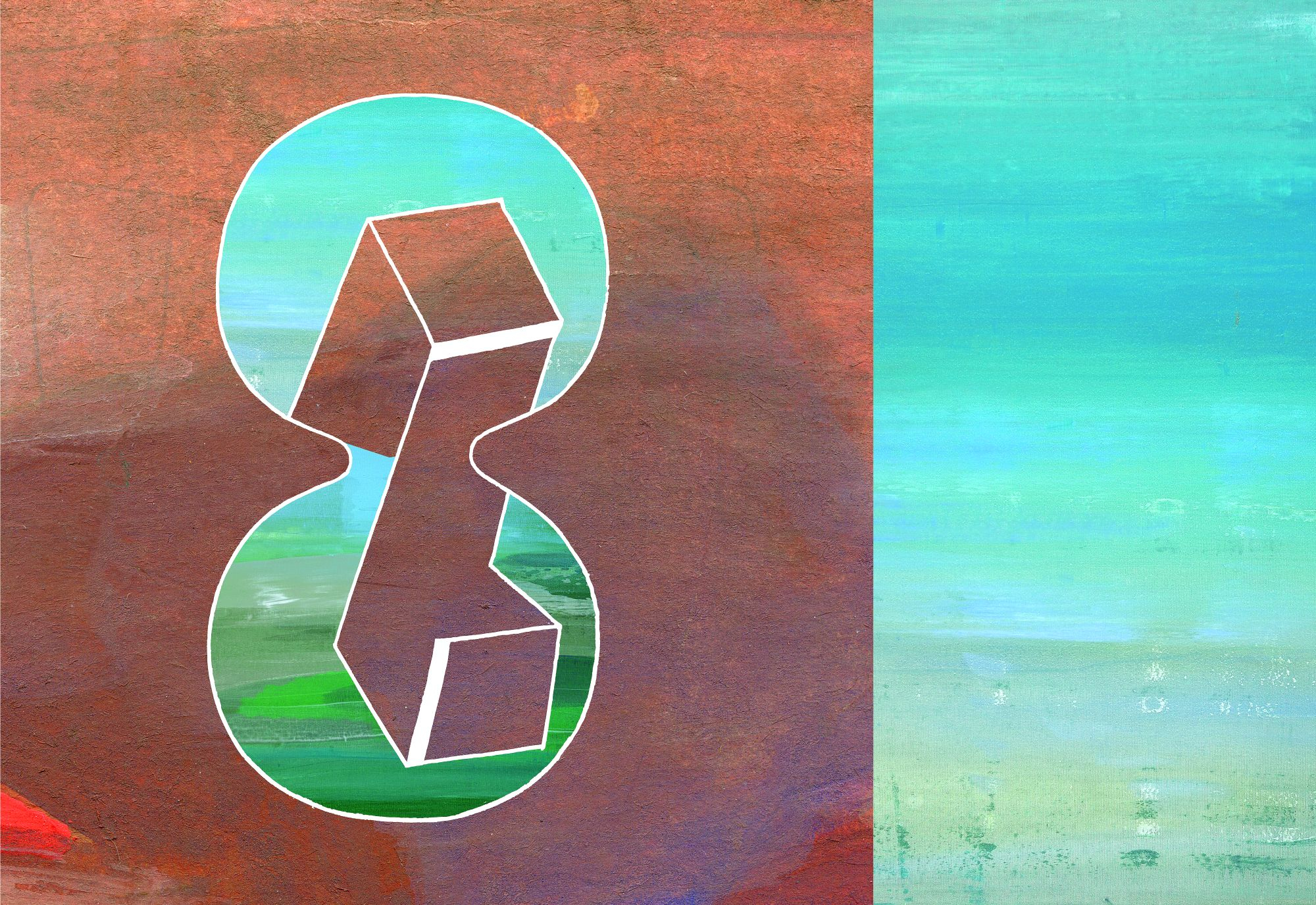
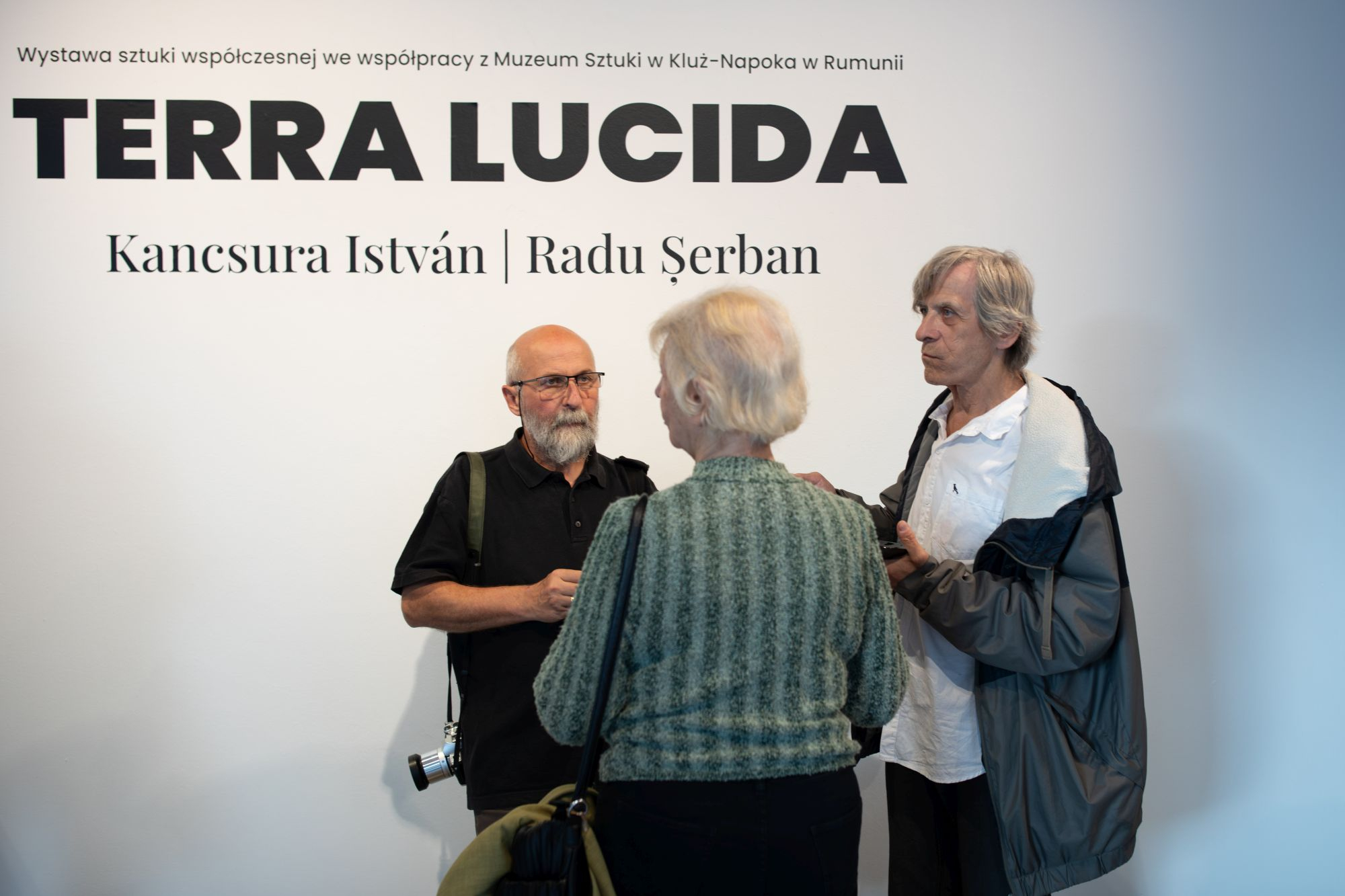
Kancsura István | Radu Şerban - TERRA LUCIDA
10 July - 29 August 2026
Contemporary Art Gallery BWA SOKÓŁ
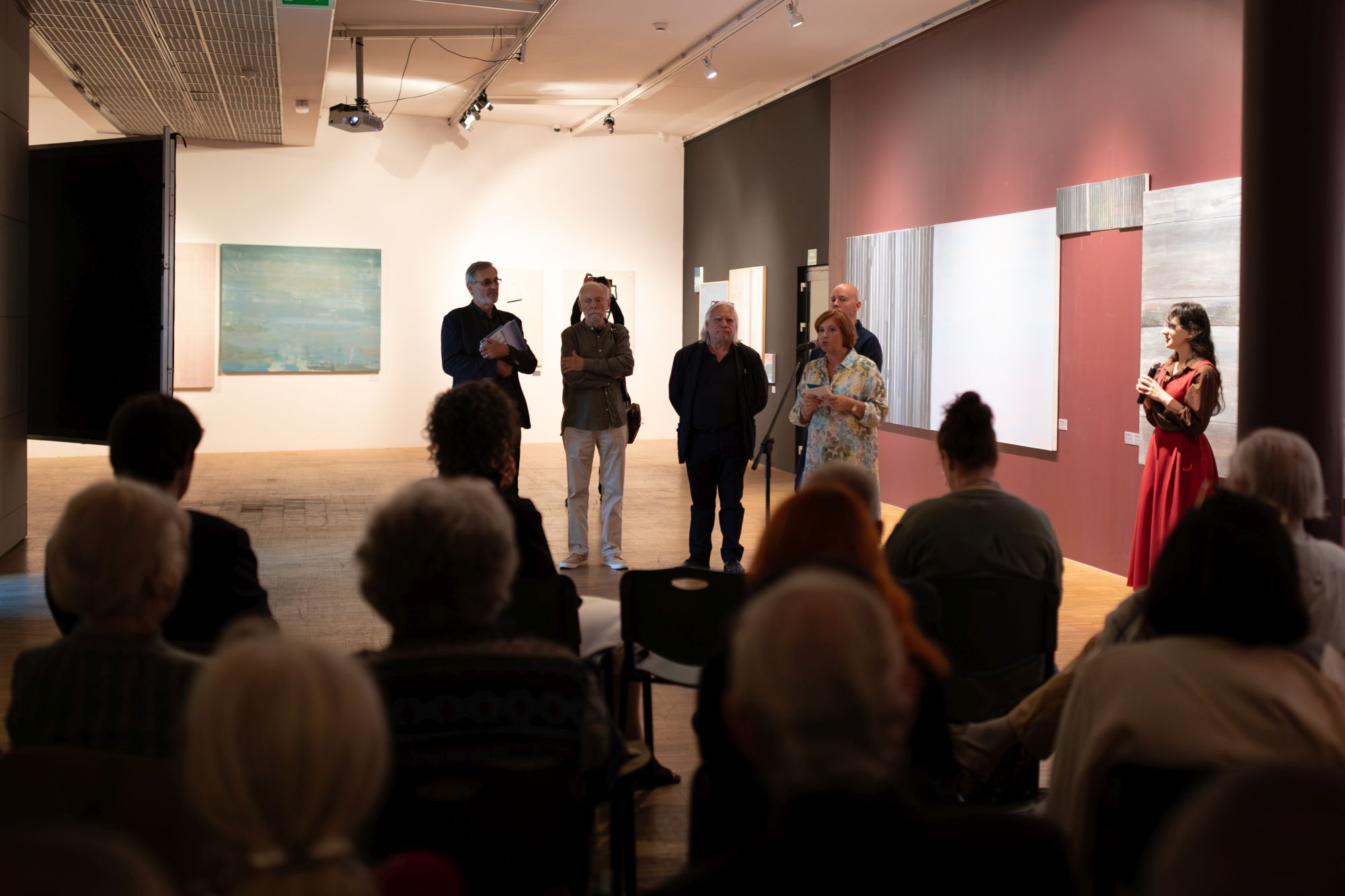
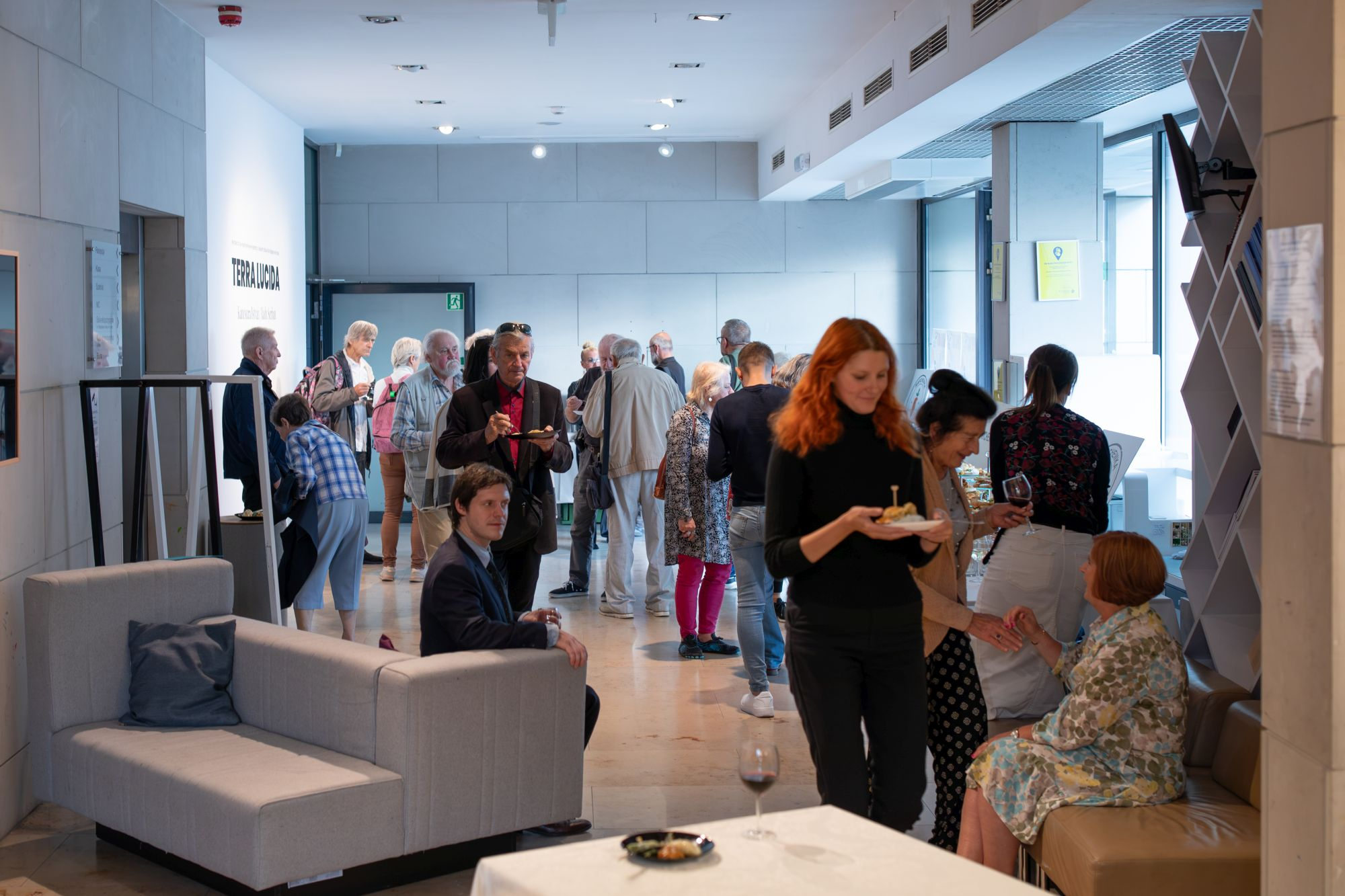
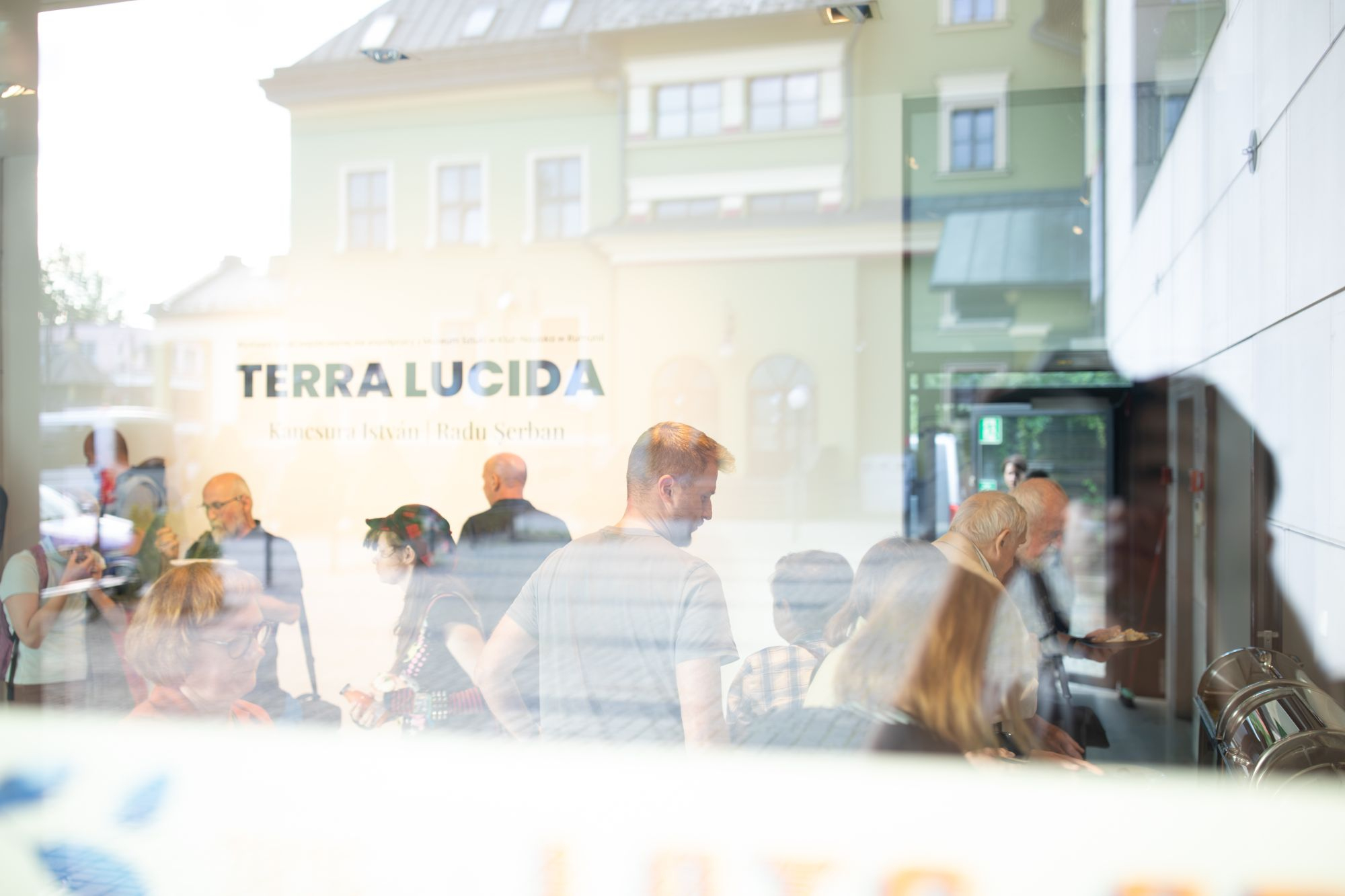
vernissage:
10 July 2026, hour 18:00
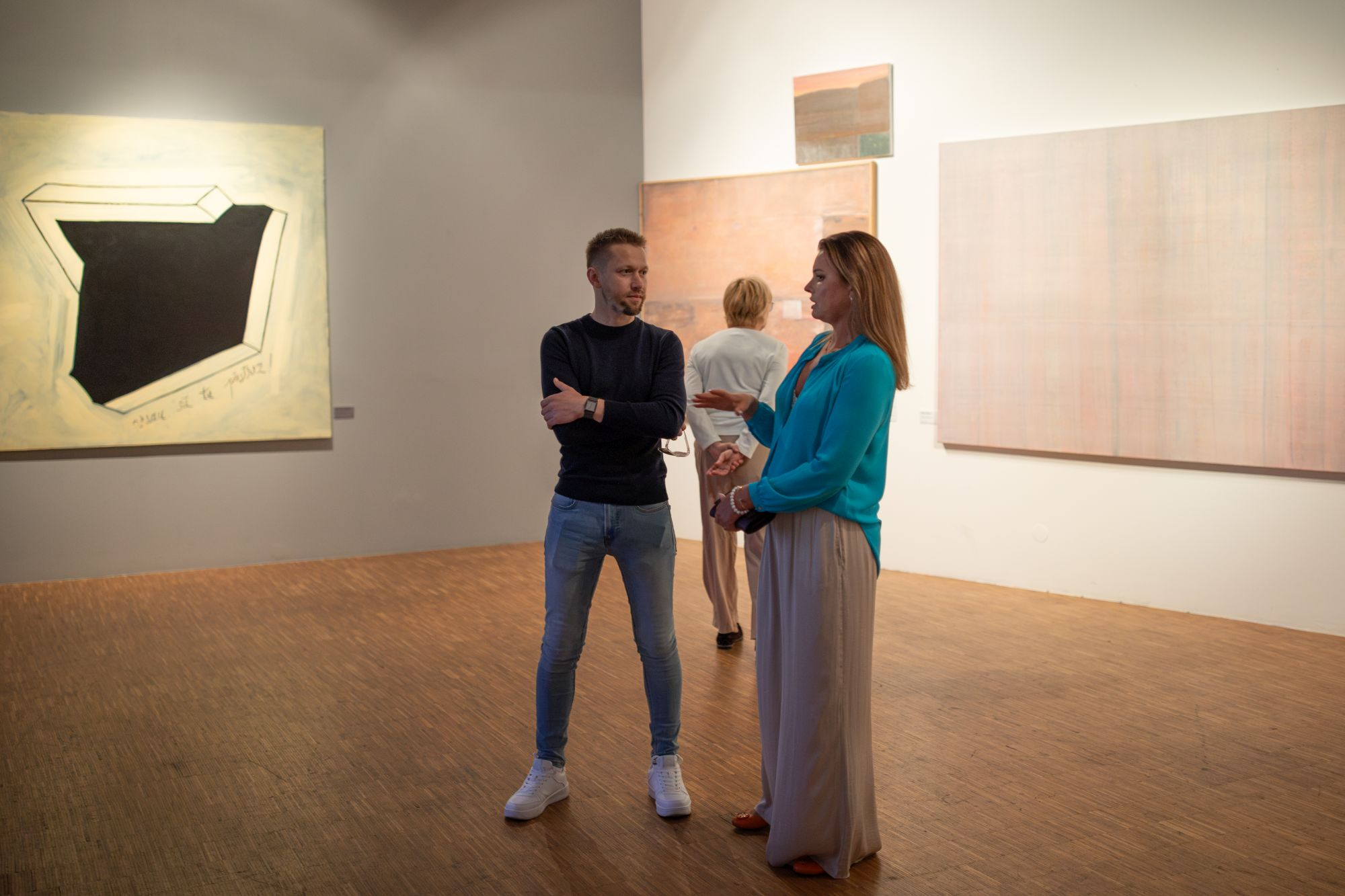
The exhibition of works by Radu Şerban and Kancsura István at the BWA SOKÓŁ Contemporary Art Gallery reflects the strengthening of our partnership with the Art Museum in Cluj-Napoca (Romania), while ensuring that the highest standards of artistic and curatorial quality are maintained. This initiative is part of a program aimed at intensively promoting contemporary artistic heritage and fostering international exchange of experiences between Polish and Romanian cultural institutions.
Abstract of the curatorial text for the exhibition by Dr. Dan Breaz (the full text will appear in the Terra lucida exhibition catalog):
The exhibition aims not only to showcase the work of two outstanding artists, but above all to provide an in-depth analysis and highlight the significance of the latest developments in Romanian painting and contemporary art. The implementation of this project continues the regional partnership and is part of the official cooperation between the Małopolska Voivodeship and the Cluj Voivodeship, based on signed agreements on collaboration in the fields of culture and the arts.
The Terra lucida exhibition presents the work of two outstanding artists associated with Transylvania - Kancsura István and Radu Șerban - highlighting their bodies of work as representative of contemporary Romanian art. Organized in collaboration between the Art Museum in Cluj-Napoca and the BWA SOKÓŁ Contemporary Art Gallery in Nowy Sącz, the project attempts to examine Transylvanian art from both historical and contemporary perspectives.
The title of the exhibition, meaning “luminous earth” or “transparent earth,” refers to the idea of art as a space for knowledge, spiritual clarity, and transcending the surface of phenomena. In this sense, the work of both artists becomes a reflection on the relationship between the visible and the invisible, the material and the spiritual.
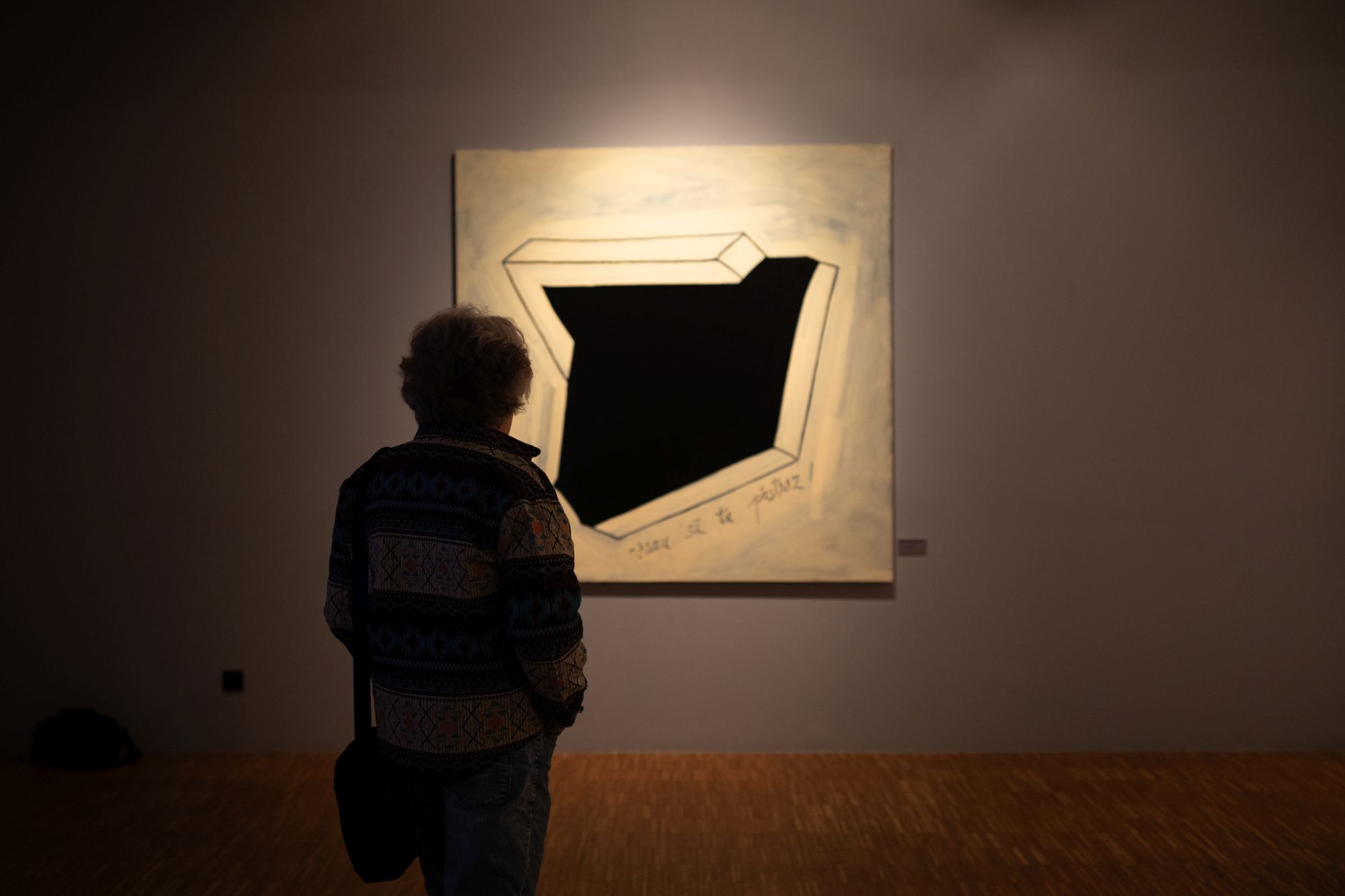
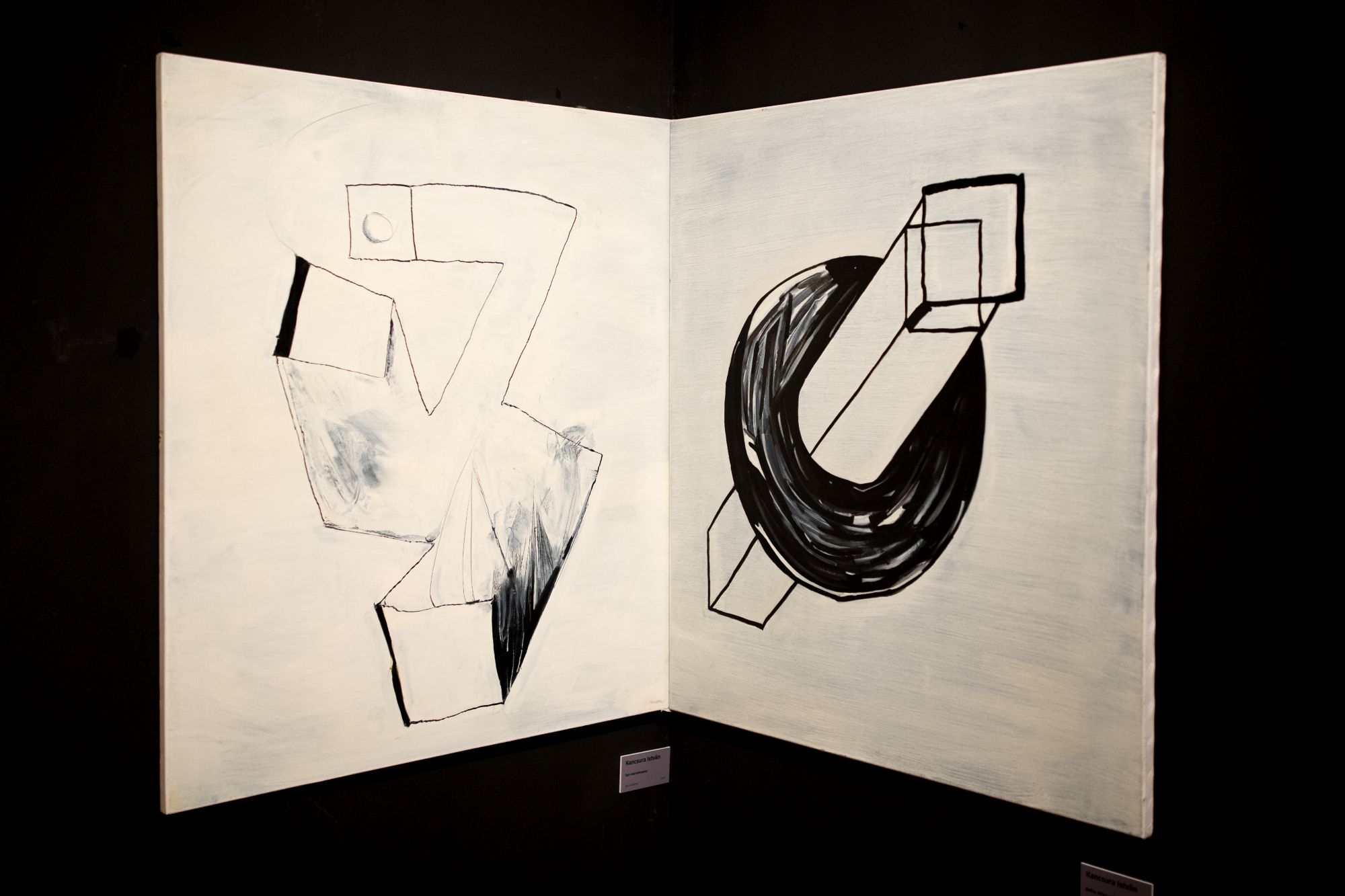
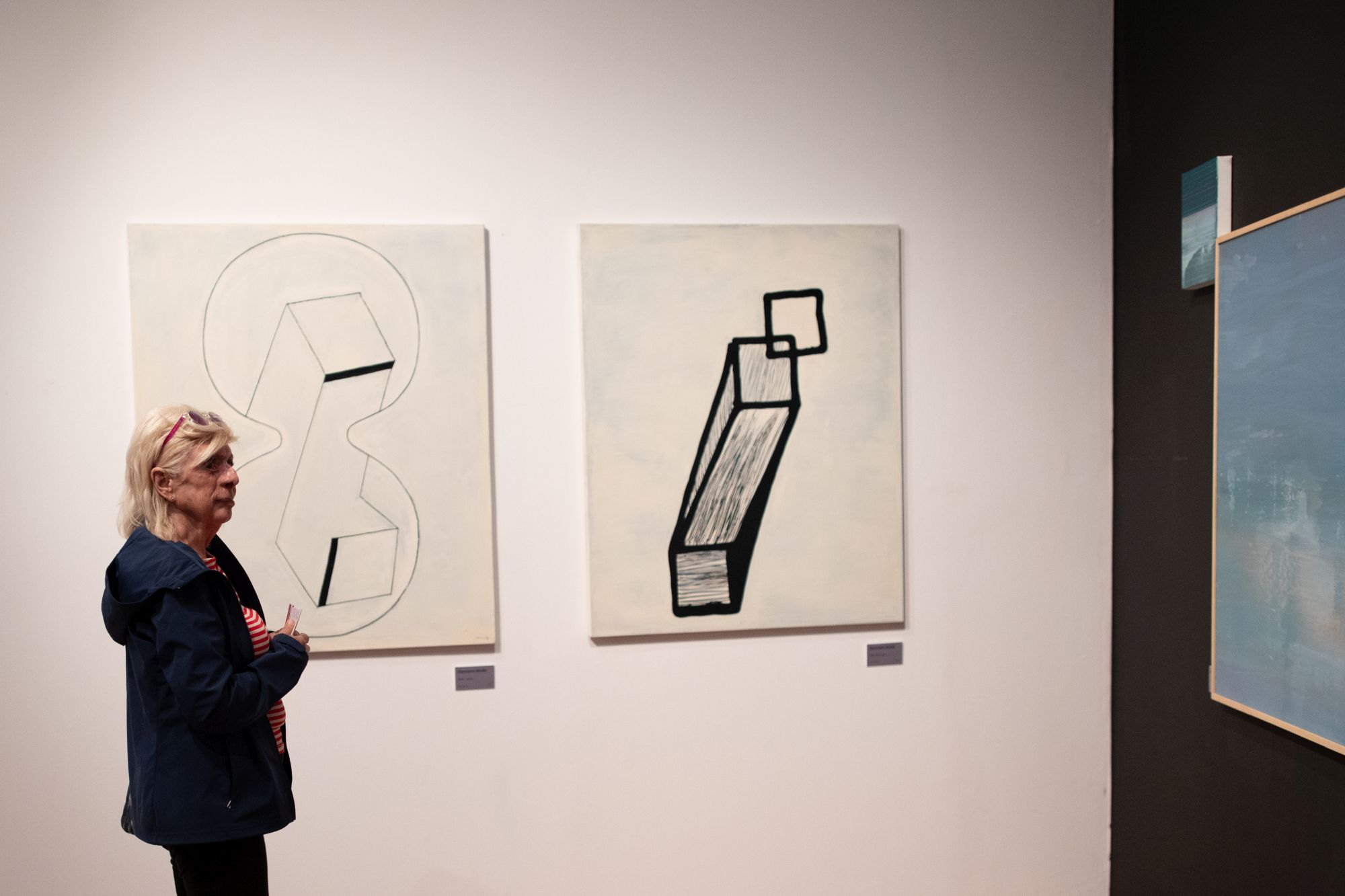
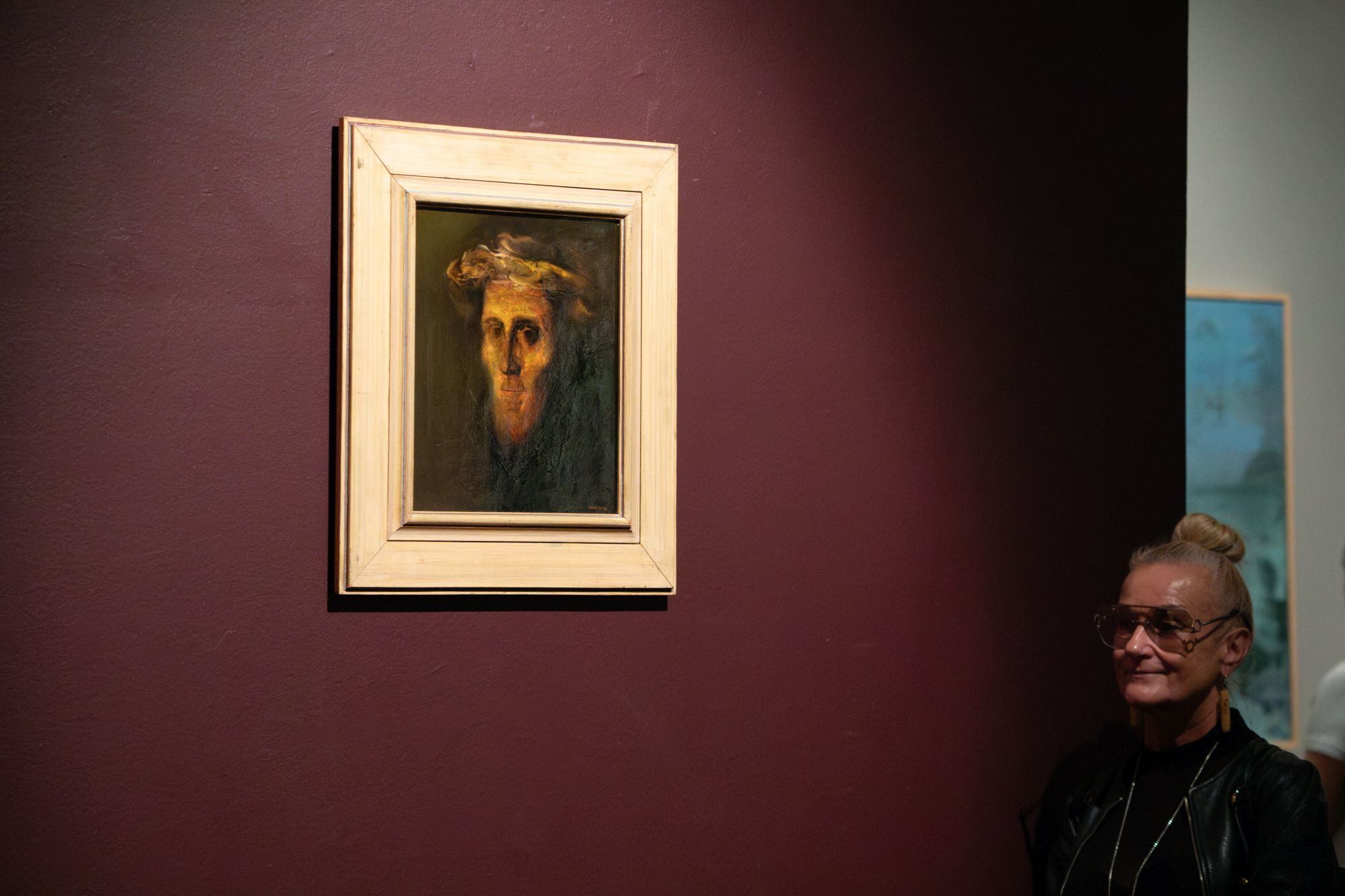
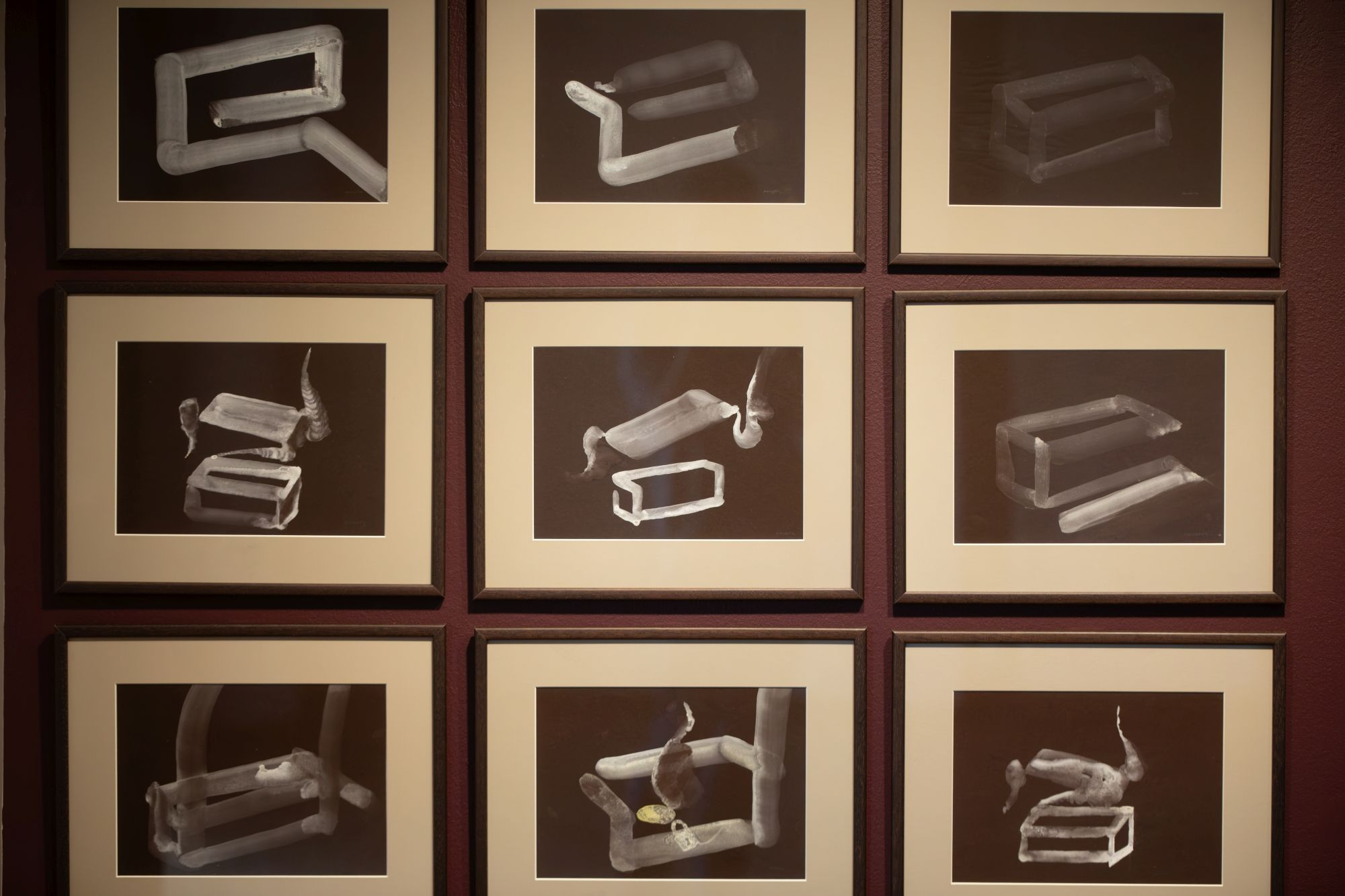
Kancsura István belongs to the generation of the Romanian neo-avant-garde. His work developed at the intersection of formal experimentation, conceptual thinking, and an interest in the metaphysical dimension. Early works, such as Anatomy of Light, fall somewhere between neo-constructivism, Op Art, and kinetic art. Over time, the artist turned to archetypal and religious symbolism. In series such as Baptysterium, Materna, Sacrifice and Guarded Geometries, he explores the fundamental experiences of human existence: birth, transformation, sacrifice, memory, and the spiritual unity of the world. His art combines the rational order of geometry with a reflection on the sacred, serving as a bridge between the experimental legacy of the Sigma group[1] and the spiritual explorations of the Prolog group[2].
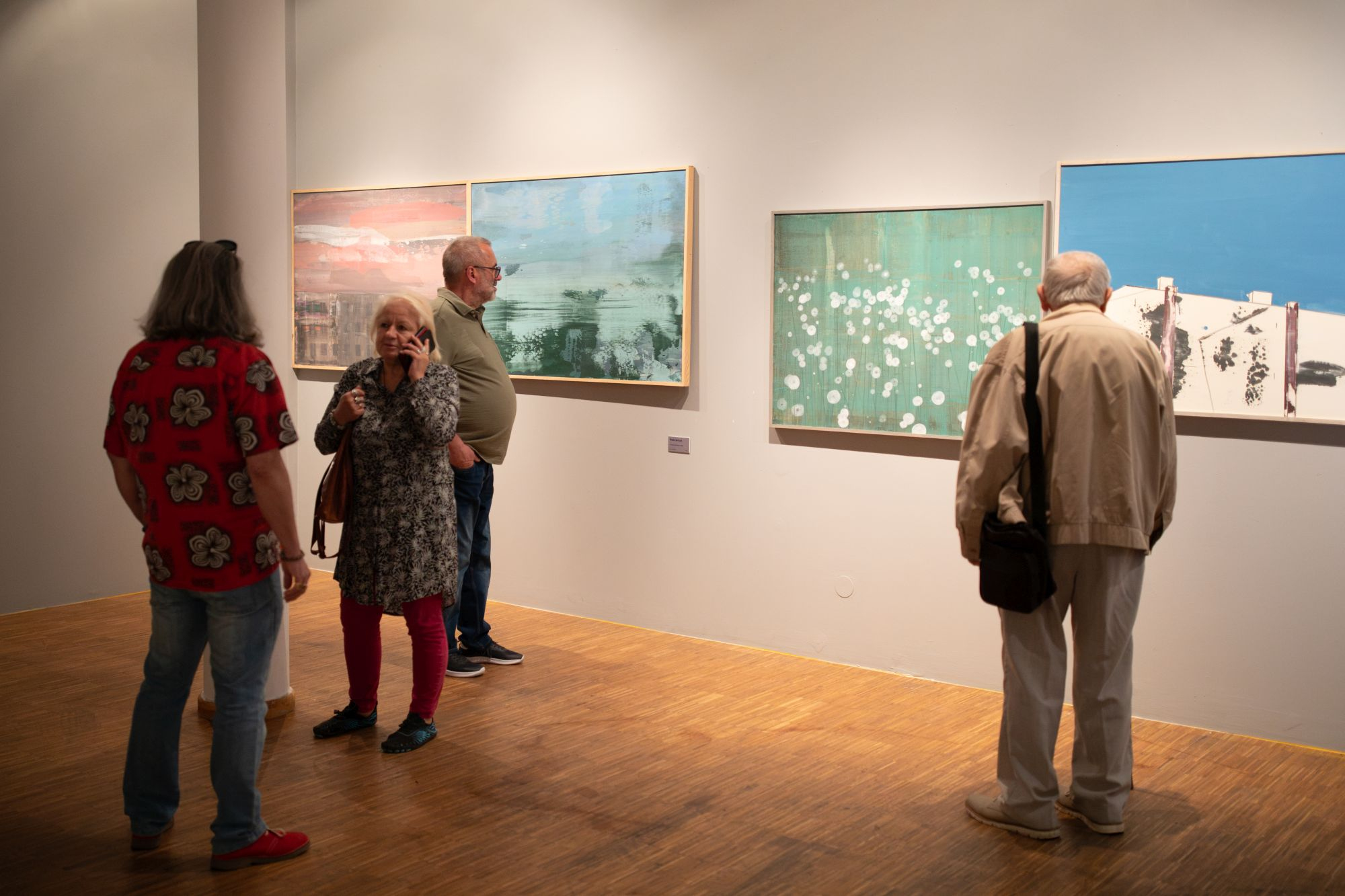
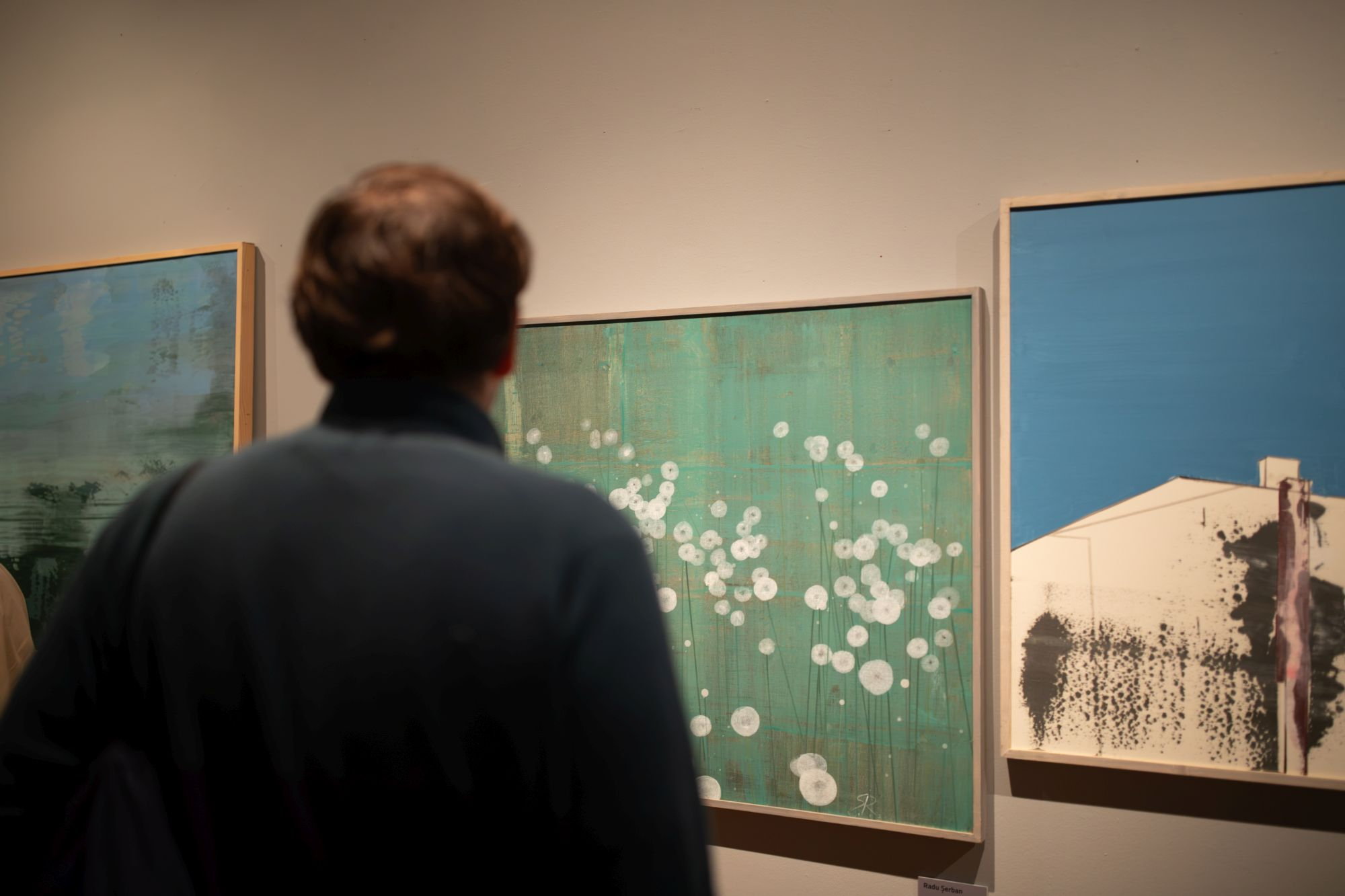
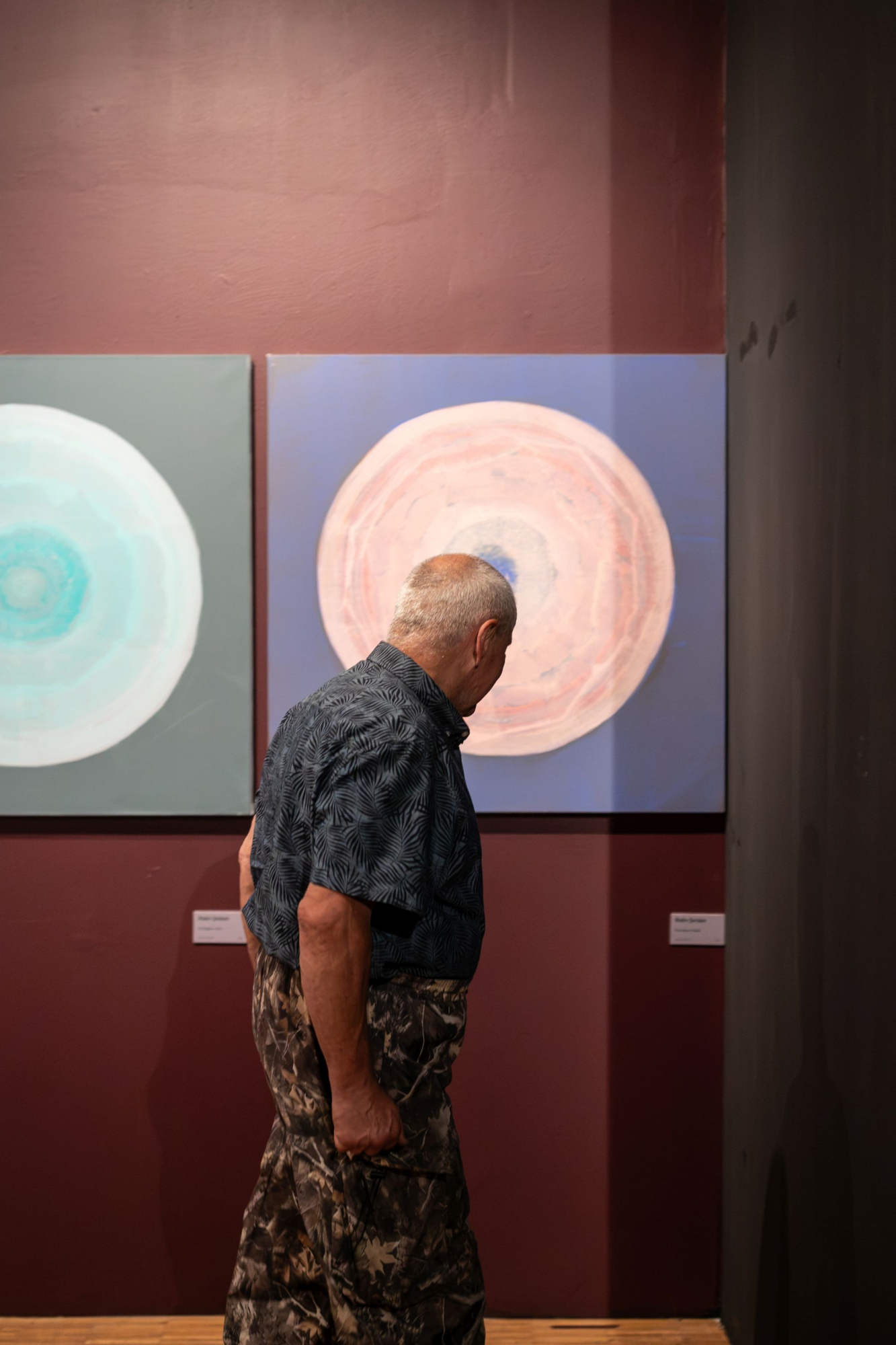
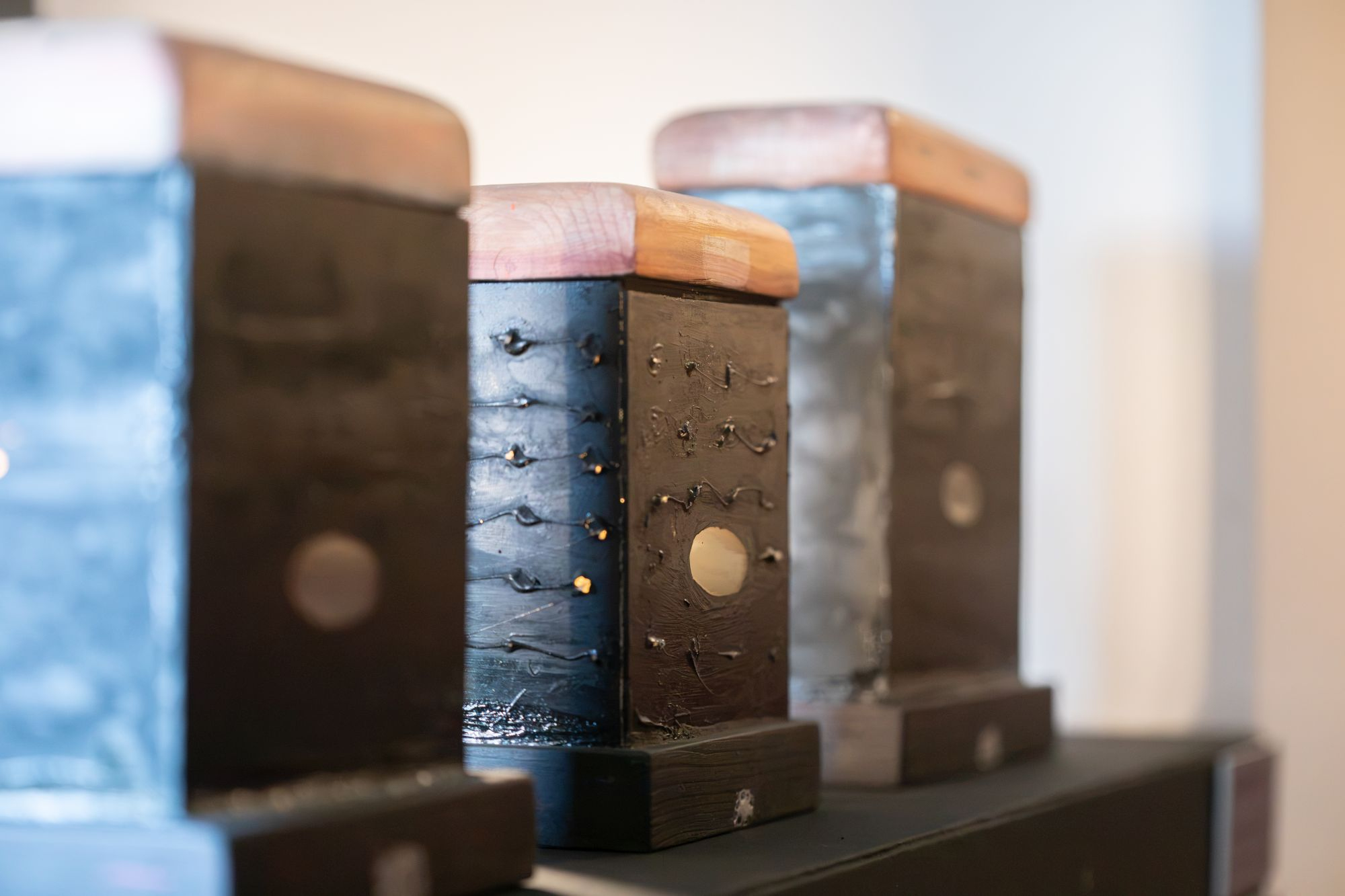
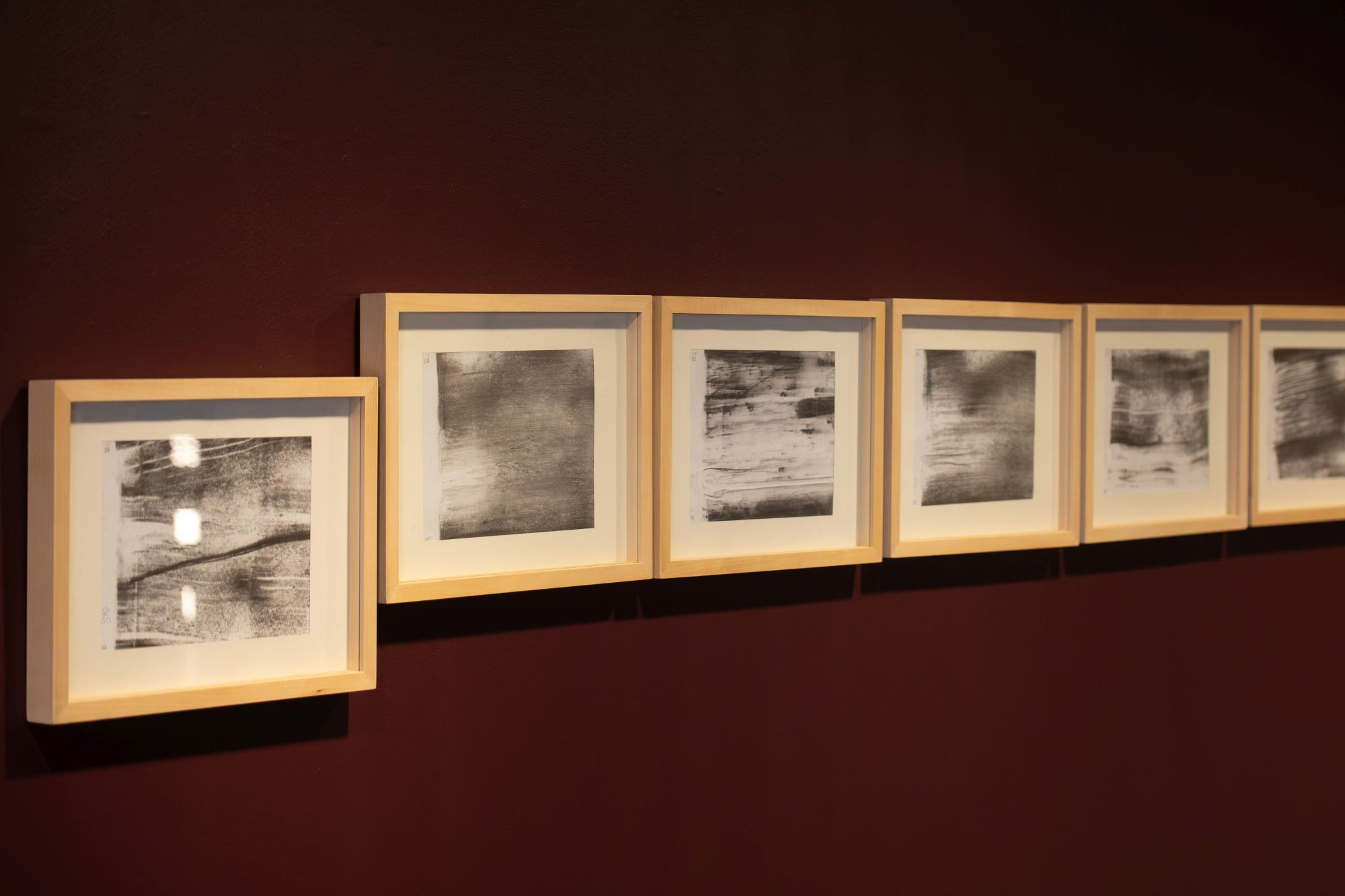
Radu Șerban’s work revolves around the themes of memory, transience, and the transformation of the image. The artist is gradually moving away from traditional representations of reality in favor of a language that allows him to capture its hidden, immaterial aspects. Of particular significance in his body of work is the concept of “Transparency” - an original artistic strategy that involves going beyond the surface of things to reveal their deeper dimension. In his works, objects, landscapes, and memories are not reproduced but transformed into subtle signs of presence. Series such as Archeology of Transition, The Circle of Time, The Silence of Simple Things, and The Box of Memories explore the process of transformation, the memory of places, and the relationships between light, image, and the experience of time.
Although Kancsura and Șerban represent different generations and have distinct creative approaches, their works are united by a shared belief that art can be a tool for understanding a reality that transcends the material world. Both artists restore a spiritual and contemplative dimension to art, offering an alternative to contemporary culture dominated by superficiality, consumerism, and sensory overload.
In this context, Terra lucida becomes a metaphor for Transylvania - understood not as a geographical region, but as a space of spiritual and creative experience. The exhibition presents art as a path toward a deeper understanding of the world and of oneself - as the “path to the Center” described by Mircea Eliade. It is a path leading toward that which is universal, enduring, and transcends the boundaries of time, place, and individual experience.
[1] The Sigma Group was a Romanian artistic collective founded in 1970 in Timișoara by Ștefan Bertalan, Constantin Flondor, Ion Gaita, Elisei Rusu, and Dor Tulcan, who were later joined by mathematician Florin Codreanu. Continuing the neo-constructivist explorations of Group 1.1.1., the artists of Sigma expanded the experimental nature of their work through multi- and interdisciplinary practices, encompassing new technologies, pedagogical experimentation, and research into natural processes, including bionics.
[2] The Prolog Group was founded in 1985 in Bucharest. Its members developed an art form that drew on nature and the sacred as fundamental sources of spiritual rebirth. The group consisted of Paul Gherasim, Constantin Flondor, Cristian Paraschiv, Horea Paștina, and Mihai Sârbulescu. Over time, Ion Grigorescu, Horia Bernea, and Matei Lăzărescu also joined the group.
The exhibition aims not only to showcase the work of two outstanding artists, but above all to provide an in-depth analysis and highlight the significance of the latest developments in Romanian painting and contemporary art. The implementation of this project continues the regional partnership and is part of the official cooperation between the Małopolska Voivodeship and the Cluj Voivodeship, based on signed agreements on collaboration in the fields of culture and the arts.
The Terra lucida exhibition presents the work of two outstanding artists associated with Transylvania - Kancsura István and Radu Șerban - highlighting their bodies of work as representative of contemporary Romanian art. Organized in collaboration between the Art Museum in Cluj-Napoca and the BWA SOKÓŁ Contemporary Art Gallery in Nowy Sącz, the project attempts to examine Transylvanian art from both historical and contemporary perspectives.
The title of the exhibition, meaning “luminous earth” or “transparent earth,” refers to the idea of art as a space for knowledge, spiritual clarity, and transcending the surface of phenomena. In this sense, the work of both artists becomes a reflection on the relationship between the visible and the invisible, the material and the spiritual.
Kancsura István belongs to the generation of the Romanian neo-avant-garde. His work developed at the intersection of formal experimentation, conceptual thinking, and an interest in the metaphysical dimension. Early works, such as Anatomy of Light, fall somewhere between neo-constructivism, Op Art, and kinetic art. Over time, the artist turned to archetypal and religious symbolism. In series such as Baptysterium, Materna, Sacrifice and Guarded Geometries, he explores the fundamental experiences of human existence: birth, transformation, sacrifice, memory, and the spiritual unity of the world. His art combines the rational order of geometry with a reflection on the sacred, serving as a bridge between the experimental legacy of the Sigma group[1] and the spiritual explorations of the Prolog group[2].
Radu Șerban’s work revolves around the themes of memory, transience, and the transformation of the image. The artist is gradually moving away from traditional representations of reality in favor of a language that allows him to capture its hidden, immaterial aspects. Of particular significance in his body of work is the concept of “Transparency” - an original artistic strategy that involves going beyond the surface of things to reveal their deeper dimension. In his works, objects, landscapes, and memories are not reproduced but transformed into subtle signs of presence. Series such as Archeology of Transition, The Circle of Time, The Silence of Simple Things, and The Box of Memories explore the process of transformation, the memory of places, and the relationships between light, image, and the experience of time.
Although Kancsura and Șerban represent different generations and have distinct creative approaches, their works are united by a shared belief that art can be a tool for understanding a reality that transcends the material world. Both artists restore a spiritual and contemplative dimension to art, offering an alternative to contemporary culture dominated by superficiality, consumerism, and sensory overload.
In this context, Terra lucida becomes a metaphor for Transylvania - understood not as a geographical region, but as a space of spiritual and creative experience. The exhibition presents art as a path toward a deeper understanding of the world and of oneself - as the “path to the Center” described by Mircea Eliade. It is a path leading toward that which is universal, enduring, and transcends the boundaries of time, place, and individual experience.
[1] The Sigma Group was a Romanian artistic collective founded in 1970 in Timișoara by Ștefan Bertalan, Constantin Flondor, Ion Gaita, Elisei Rusu, and Dor Tulcan, who were later joined by mathematician Florin Codreanu. Continuing the neo-constructivist explorations of Group 1.1.1., the artists of Sigma expanded the experimental nature of their work through multi- and interdisciplinary practices, encompassing new technologies, pedagogical experimentation, and research into natural processes, including bionics.
[2] The Prolog Group was founded in 1985 in Bucharest. Its members developed an art form that drew on nature and the sacred as fundamental sources of spiritual rebirth. The group consisted of Paul Gherasim, Constantin Flondor, Cristian Paraschiv, Horea Paștina, and Mihai Sârbulescu. Over time, Ion Grigorescu, Horia Bernea, and Matei Lăzărescu also joined the group.
MEDIA PARTNERS


PARTNERS