

Anyone Can Be Dürer
7 September - 4 October 2026
Art Gallery SOKÓŁ FOYER
vernissage:
7 September 2026, hour 10:30
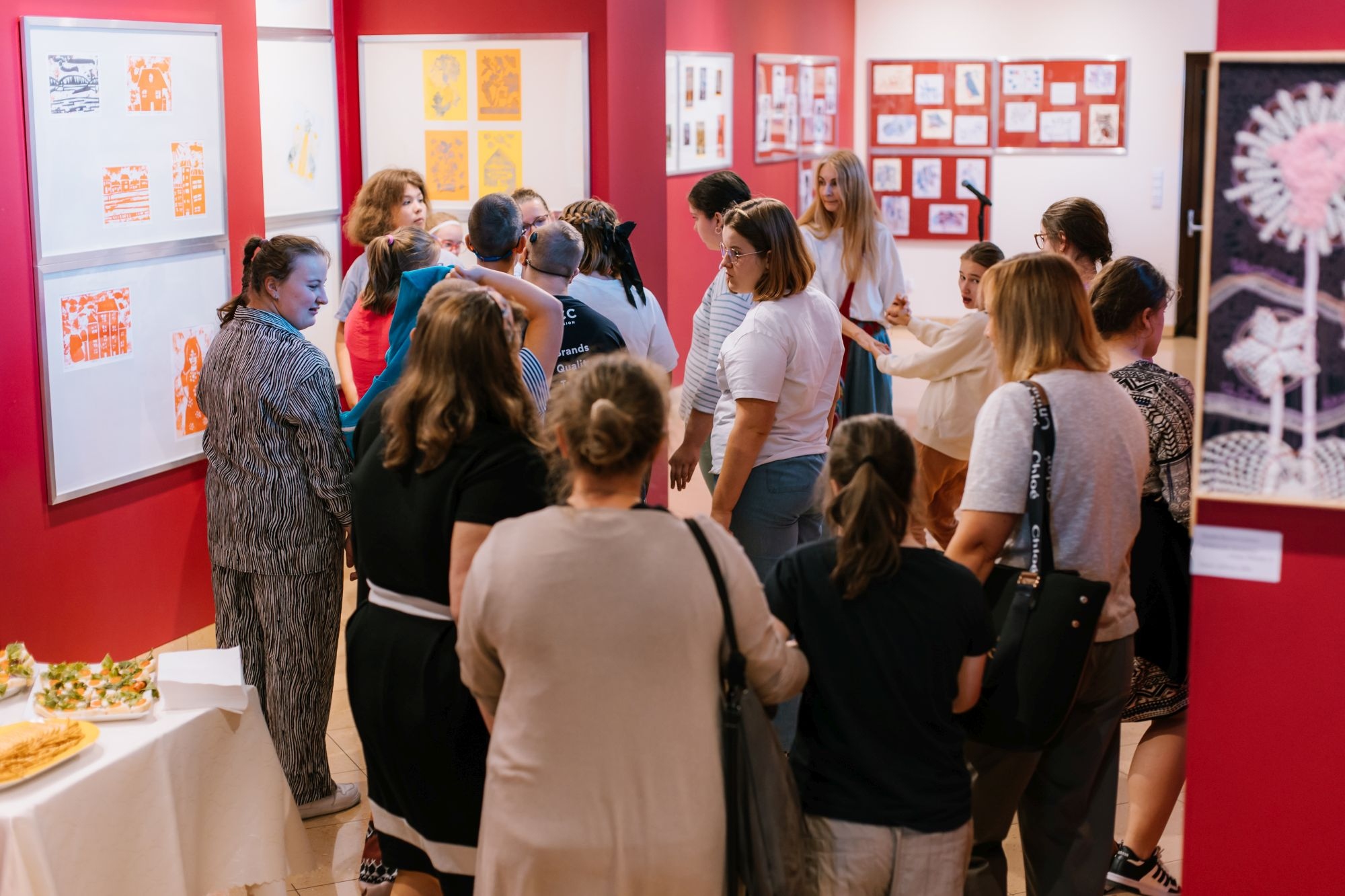
Exhibition of Artwork by Children and Youth from the SOSW Nowy Sącz
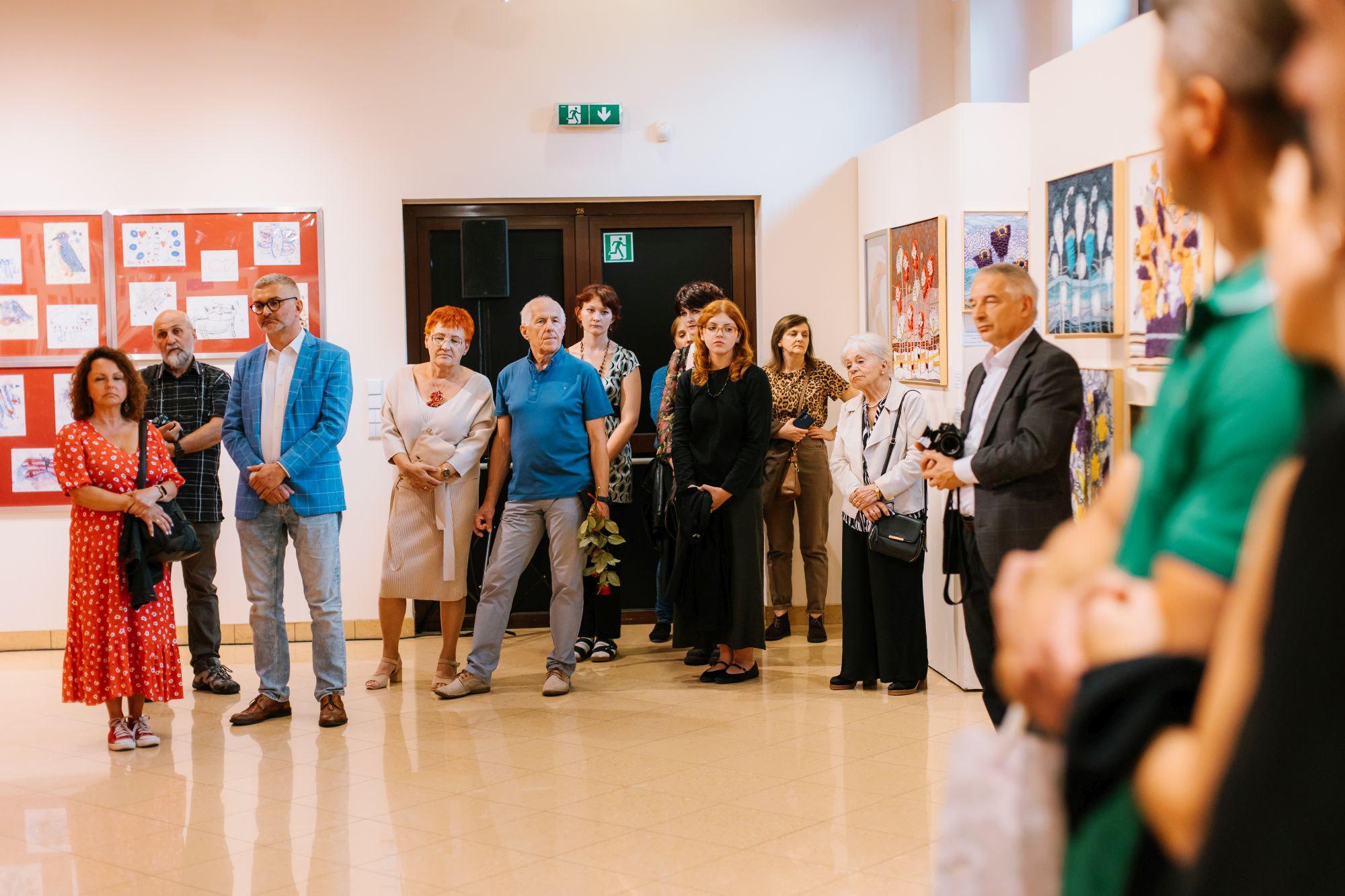
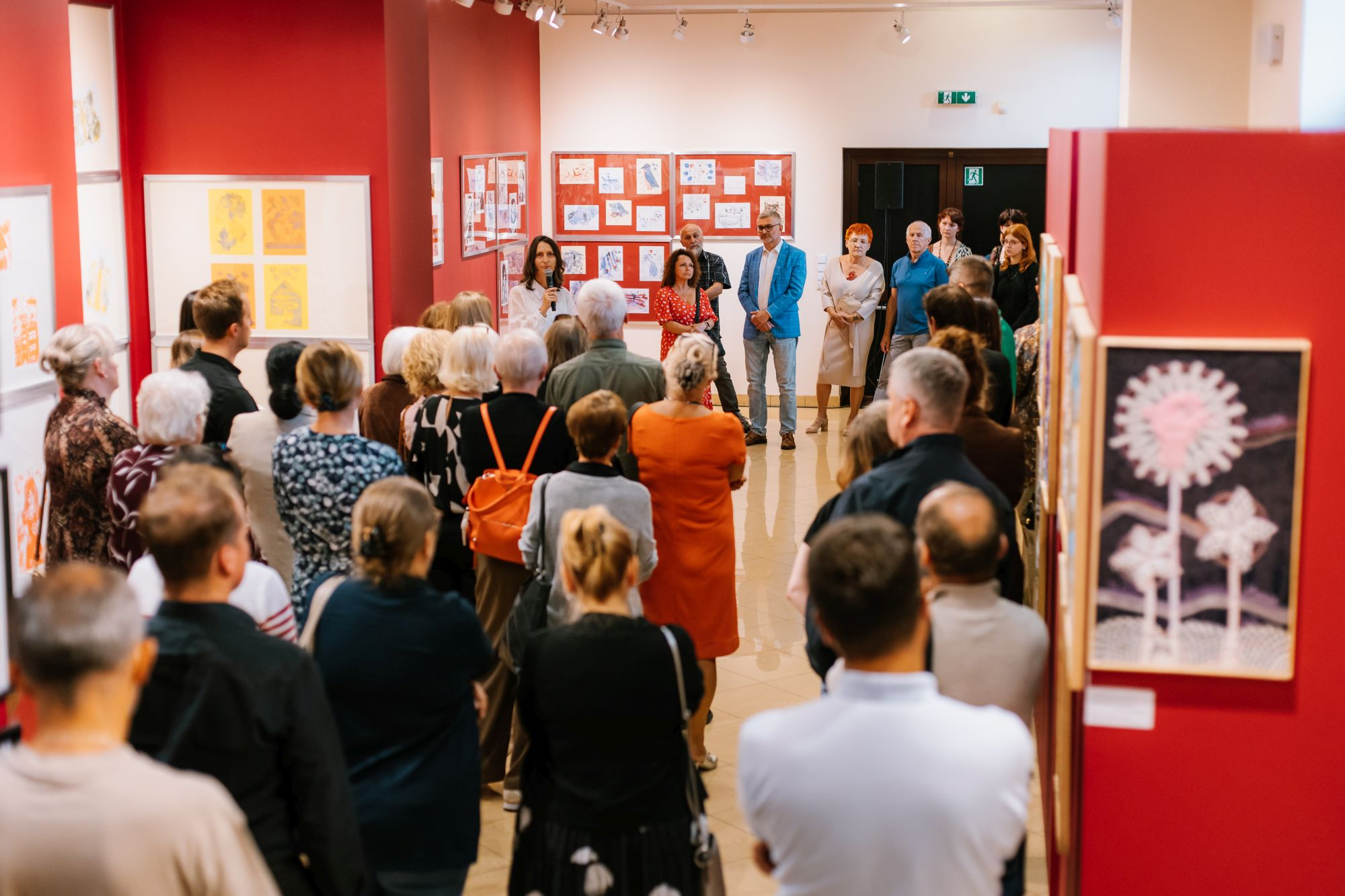
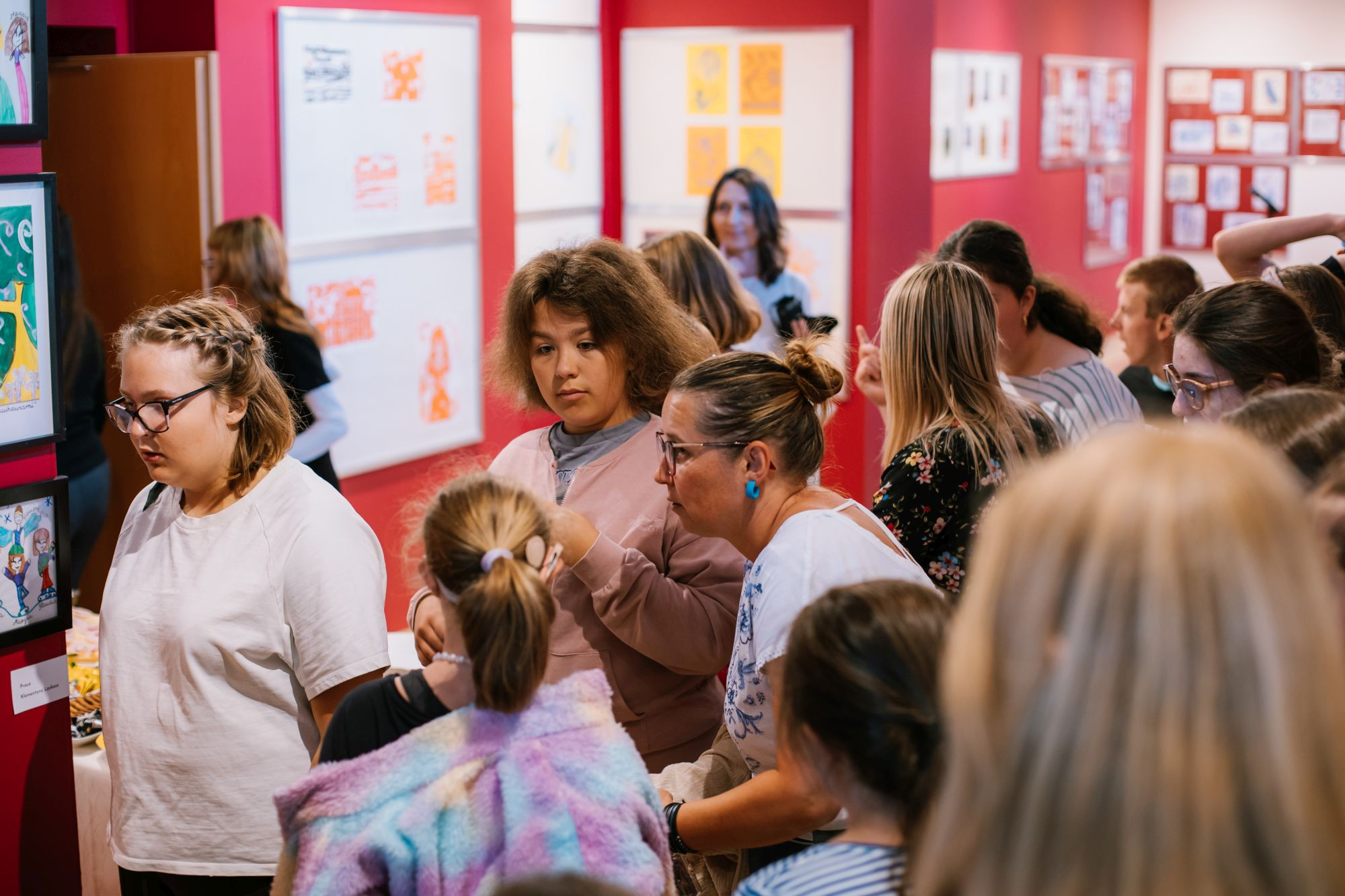
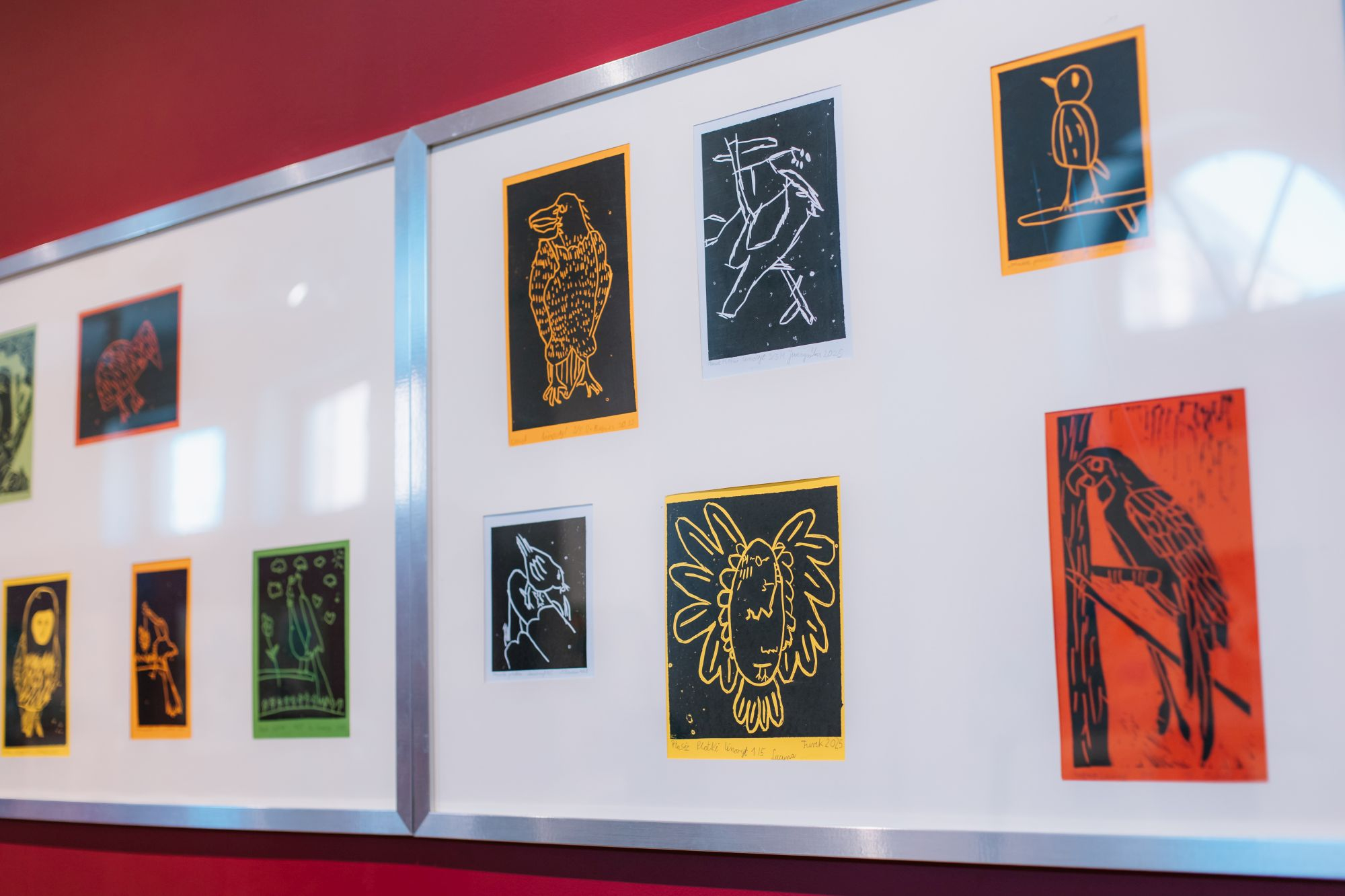
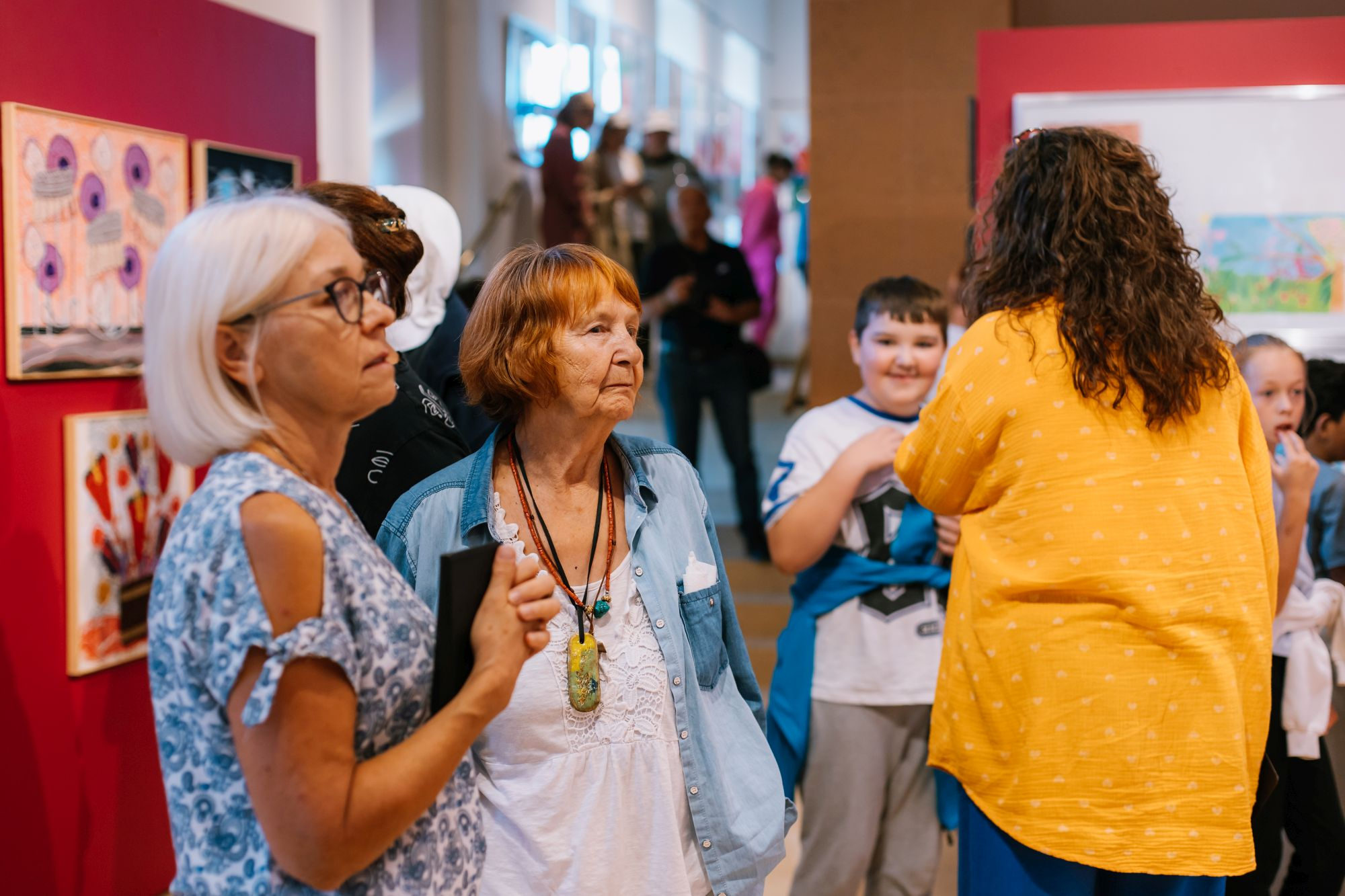
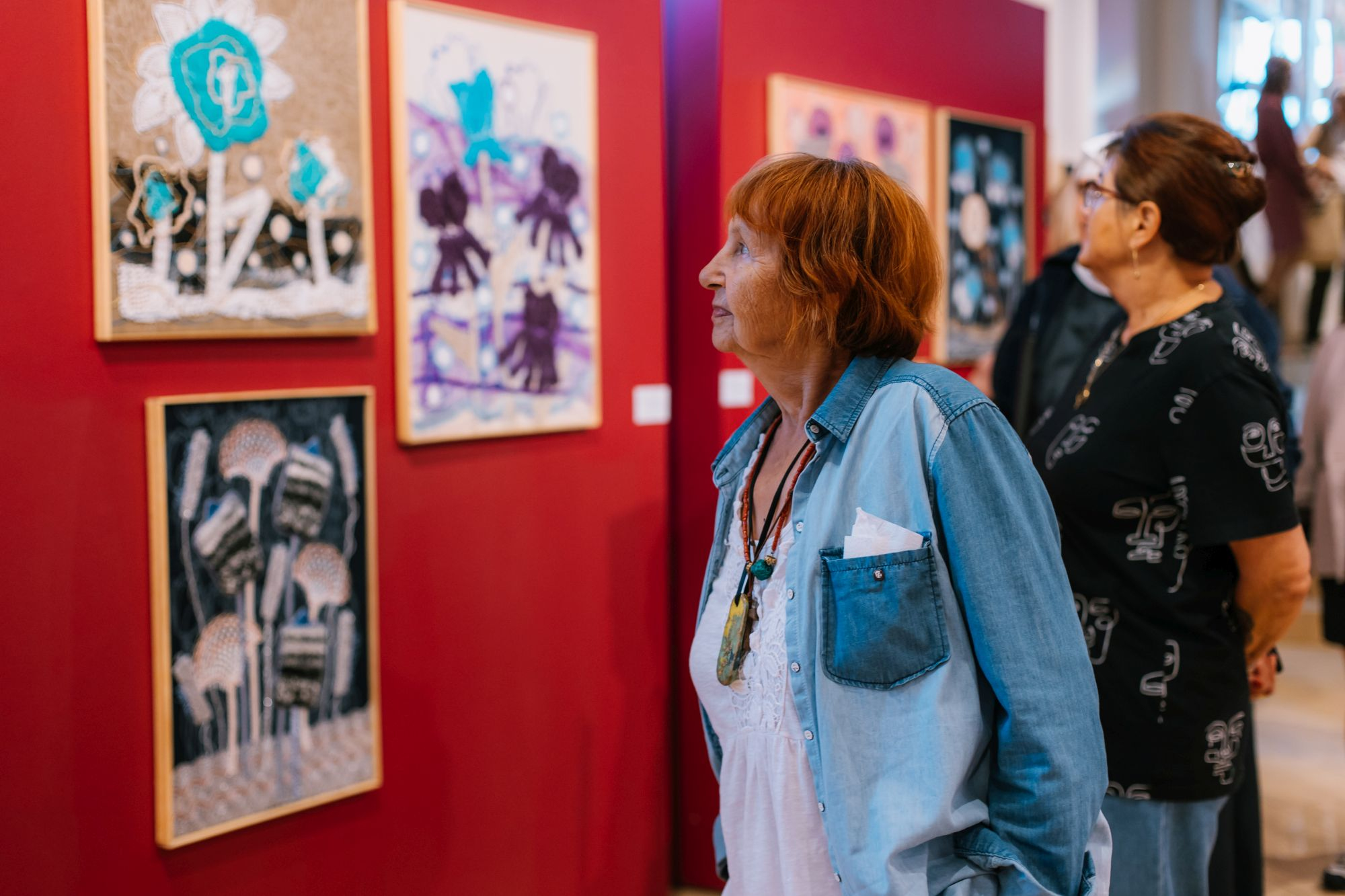
This exhibition was created over the course of three years during art and graphic design club sessions at the Special Educational and Care Center in Nowy Sącz. The works were created by children and teenagers aged nine to twenty-four.
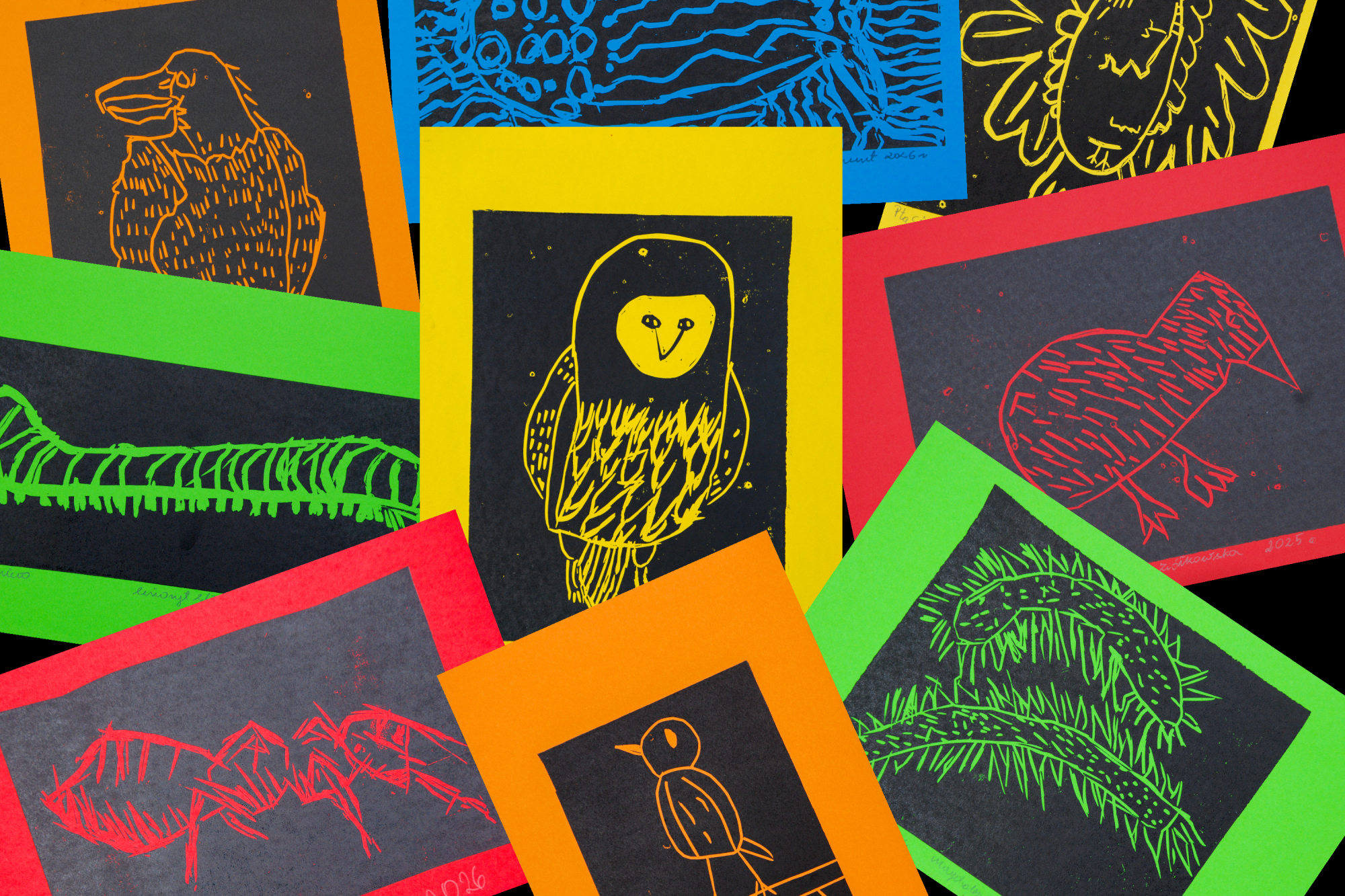
The title of this exhibition is, of course, a bit of a provocation, a way to stir things up, and food for thought to spark discussion. From the perspective of Albrecht Dürer’s brilliant apocalyptic visions, it is clear that not everyone can be like him; however, from a formal standpoint - in terms of printmaking technique - practically anyone can turn to traditional printmaking techniques and create a work of art - or a “little work” - using a chisel, a graver, and wood or its substitutes. Although graphic art isn’t as visually appealing at first glance as paintings, it offers tremendous opportunities both for developing creativity and for creating multiple copies. For our art club, this was an added bonus. The final piece could be given not only to mom and dad but also to a favorite friend or a favorite teacher.
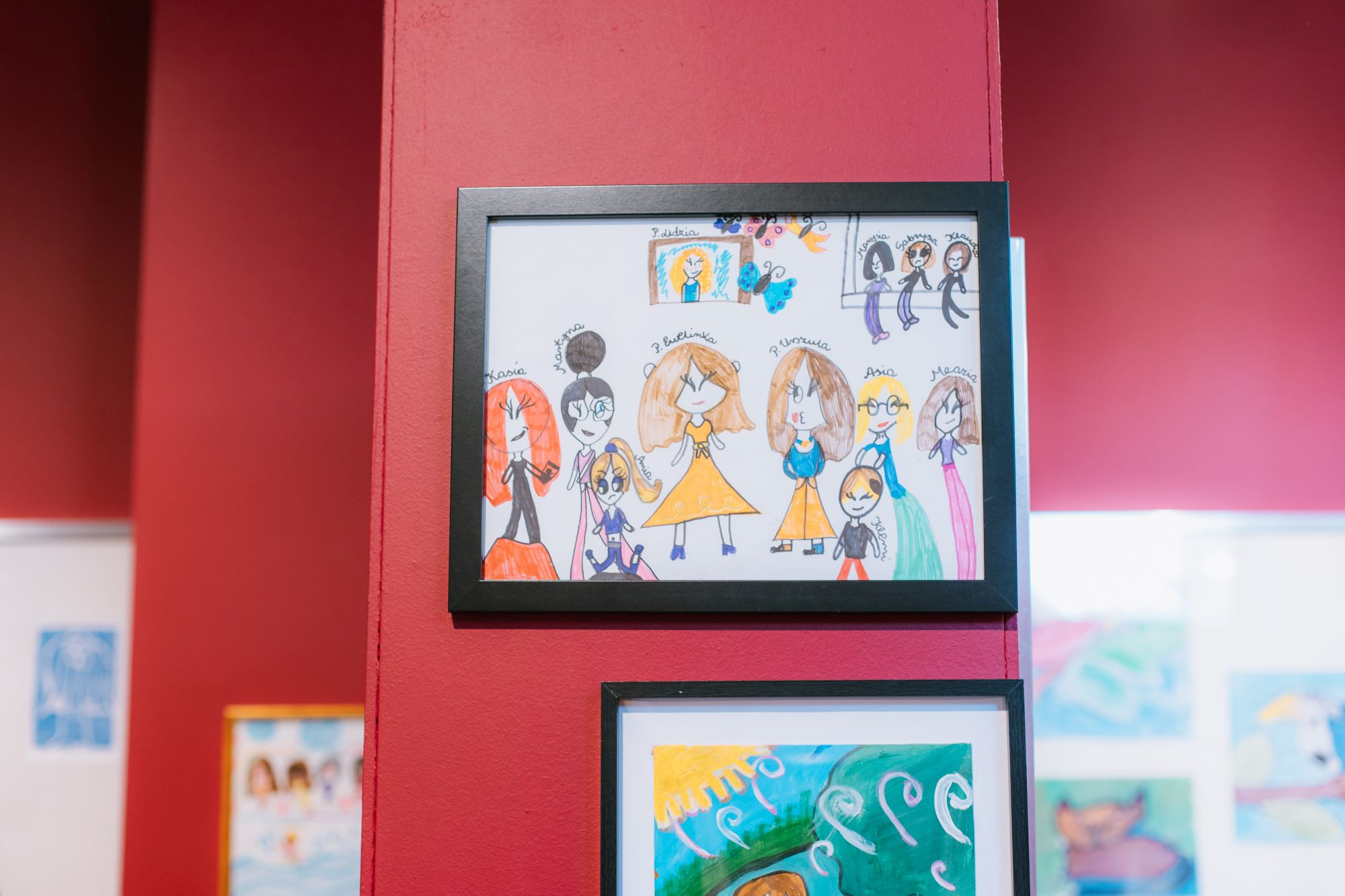
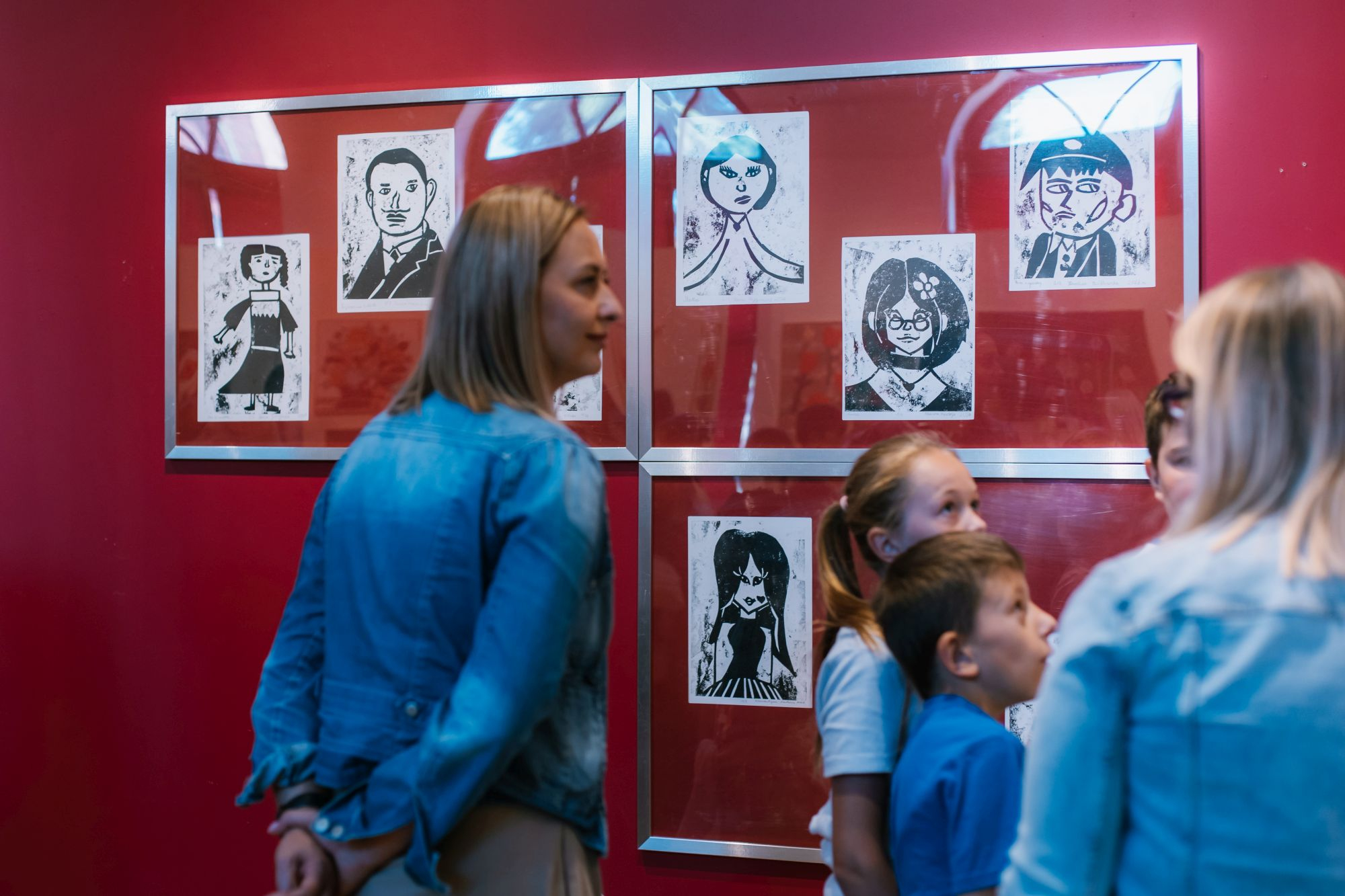
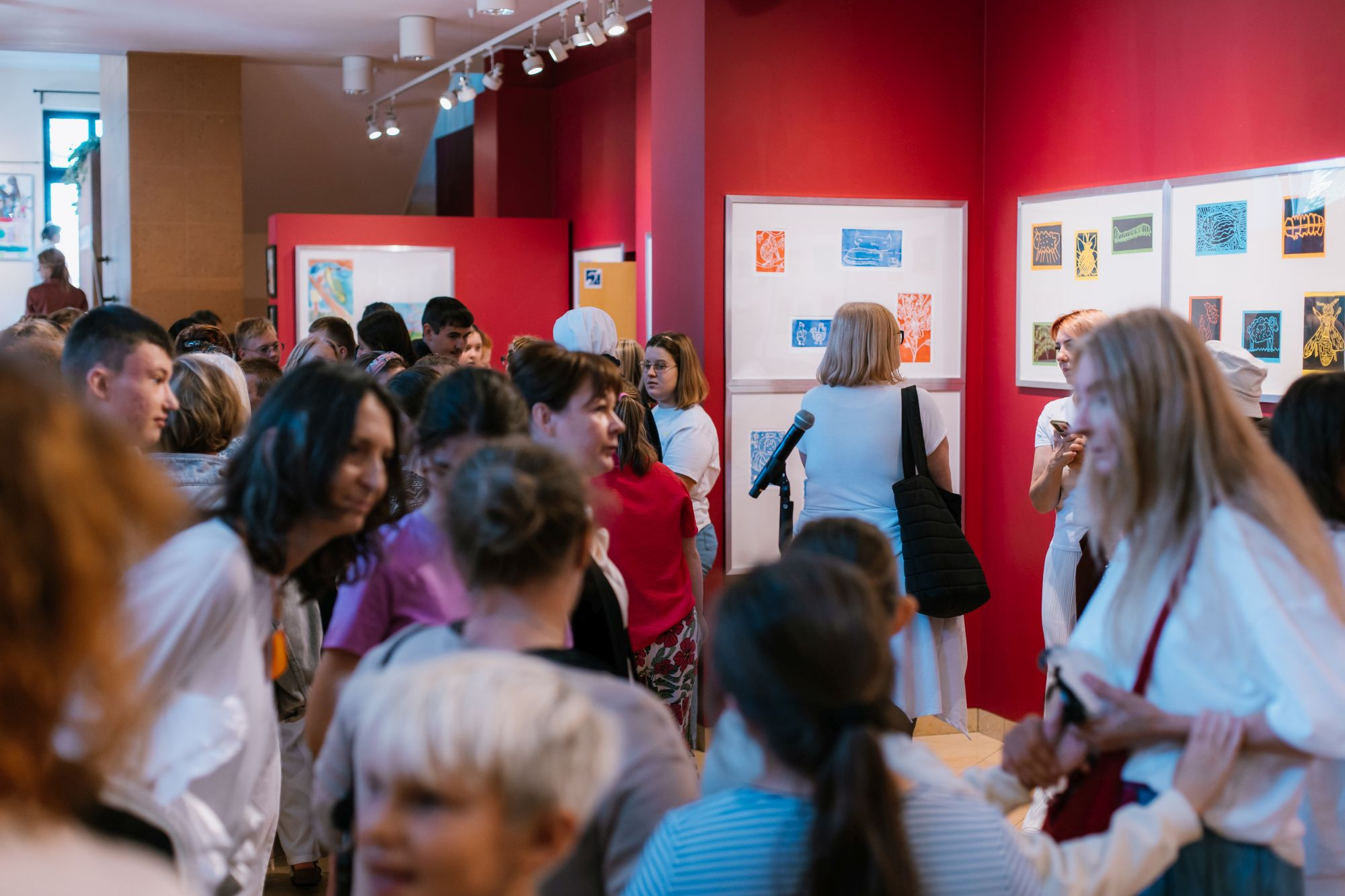
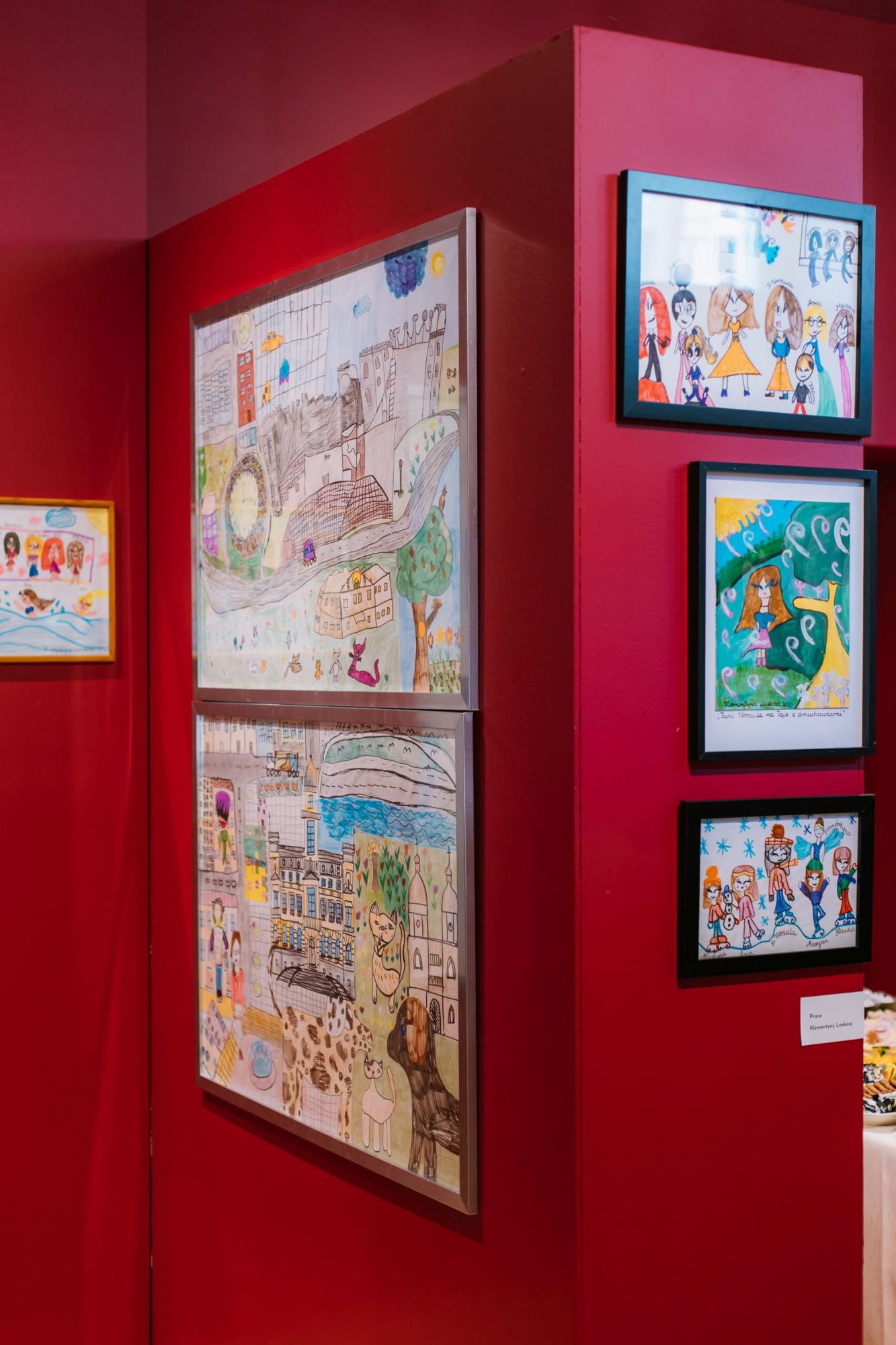
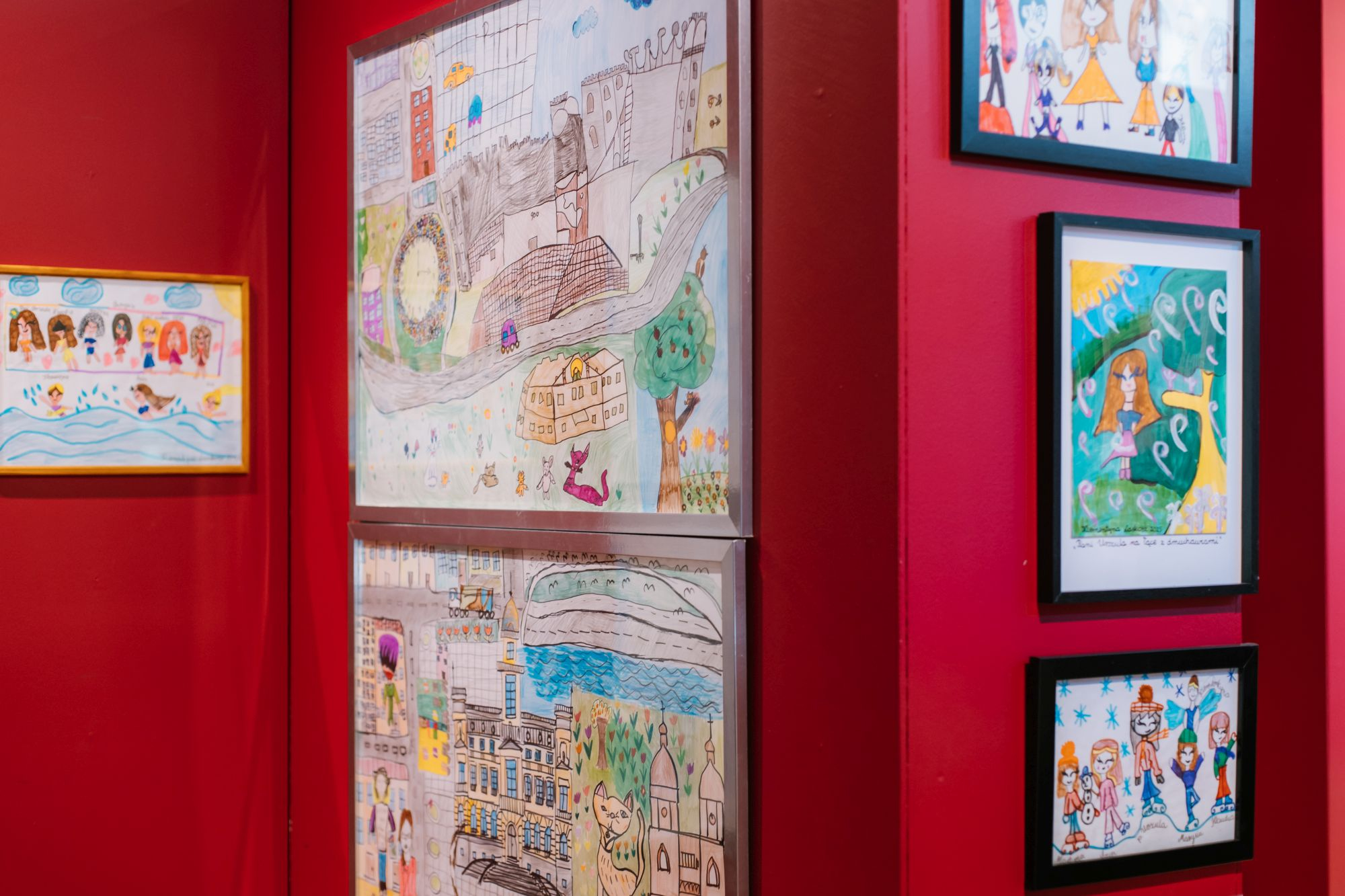
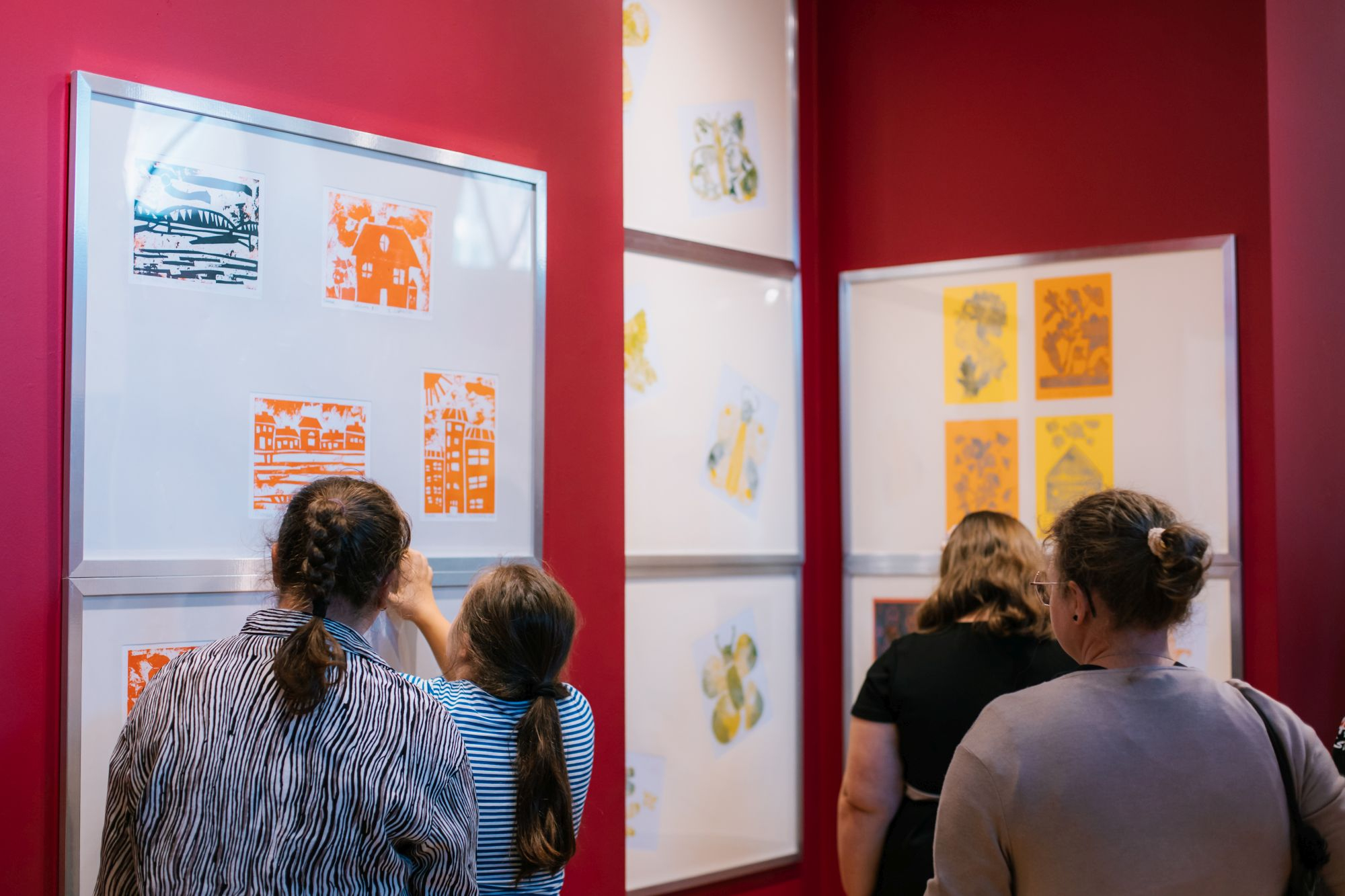
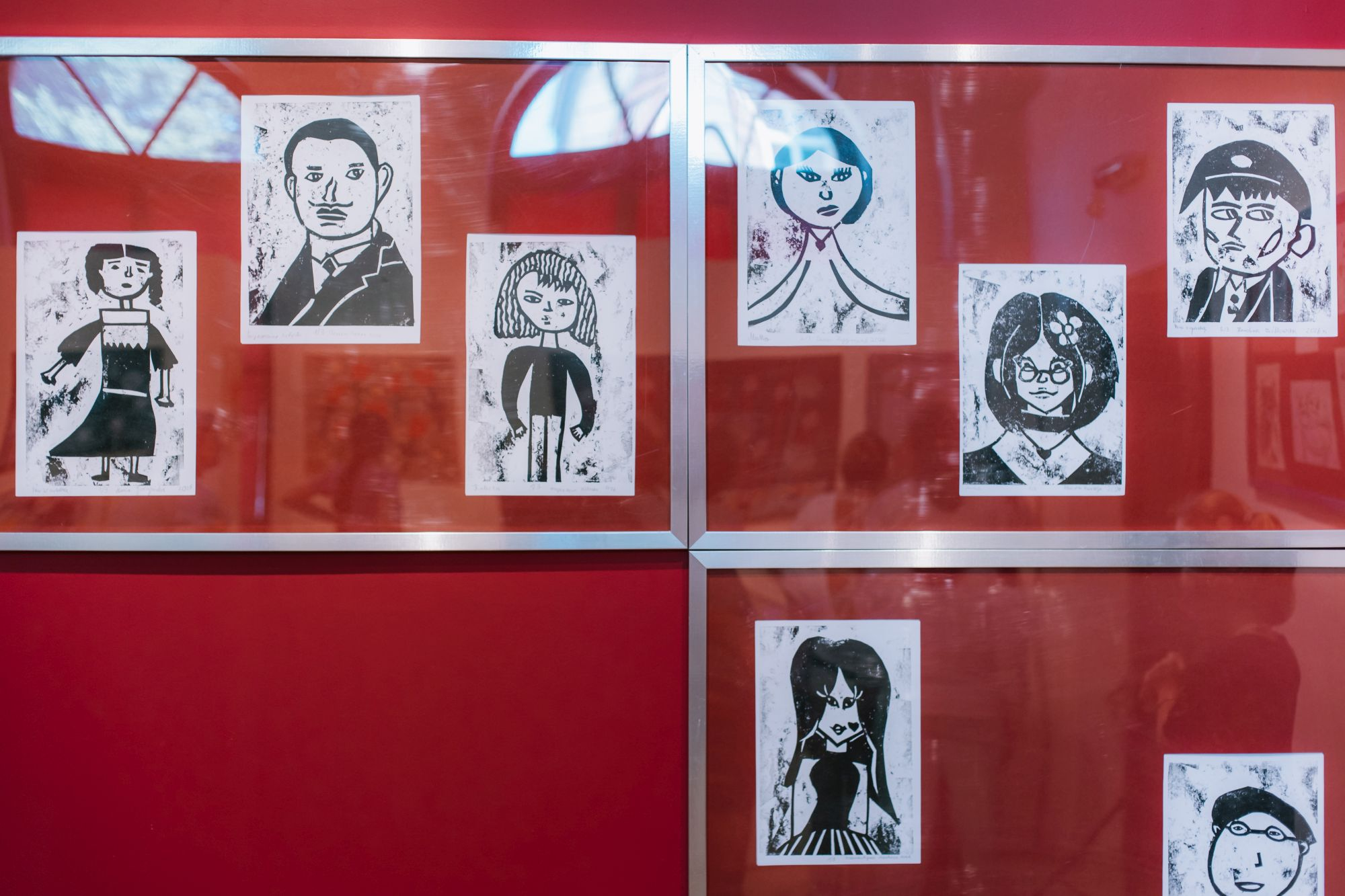
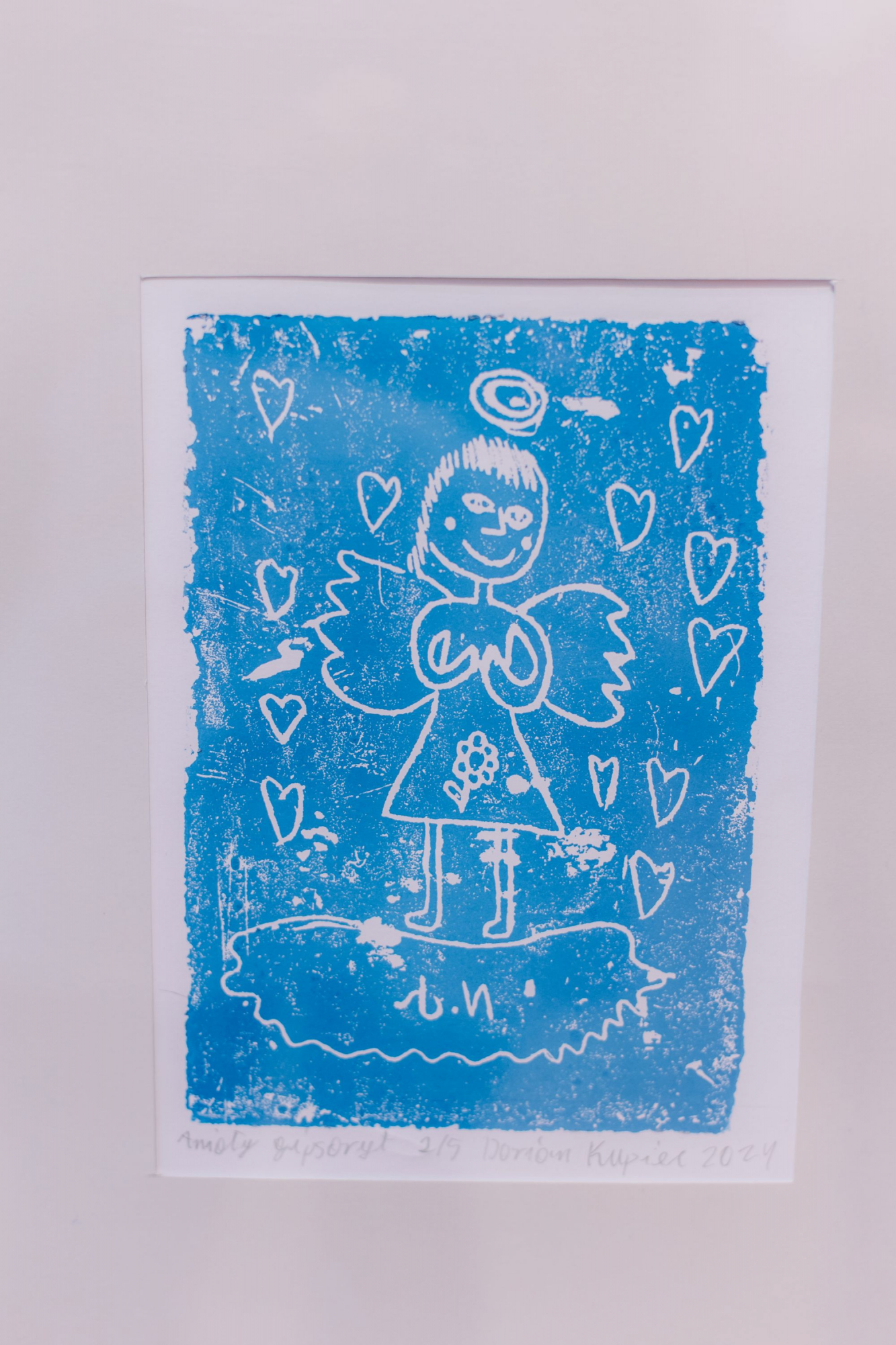
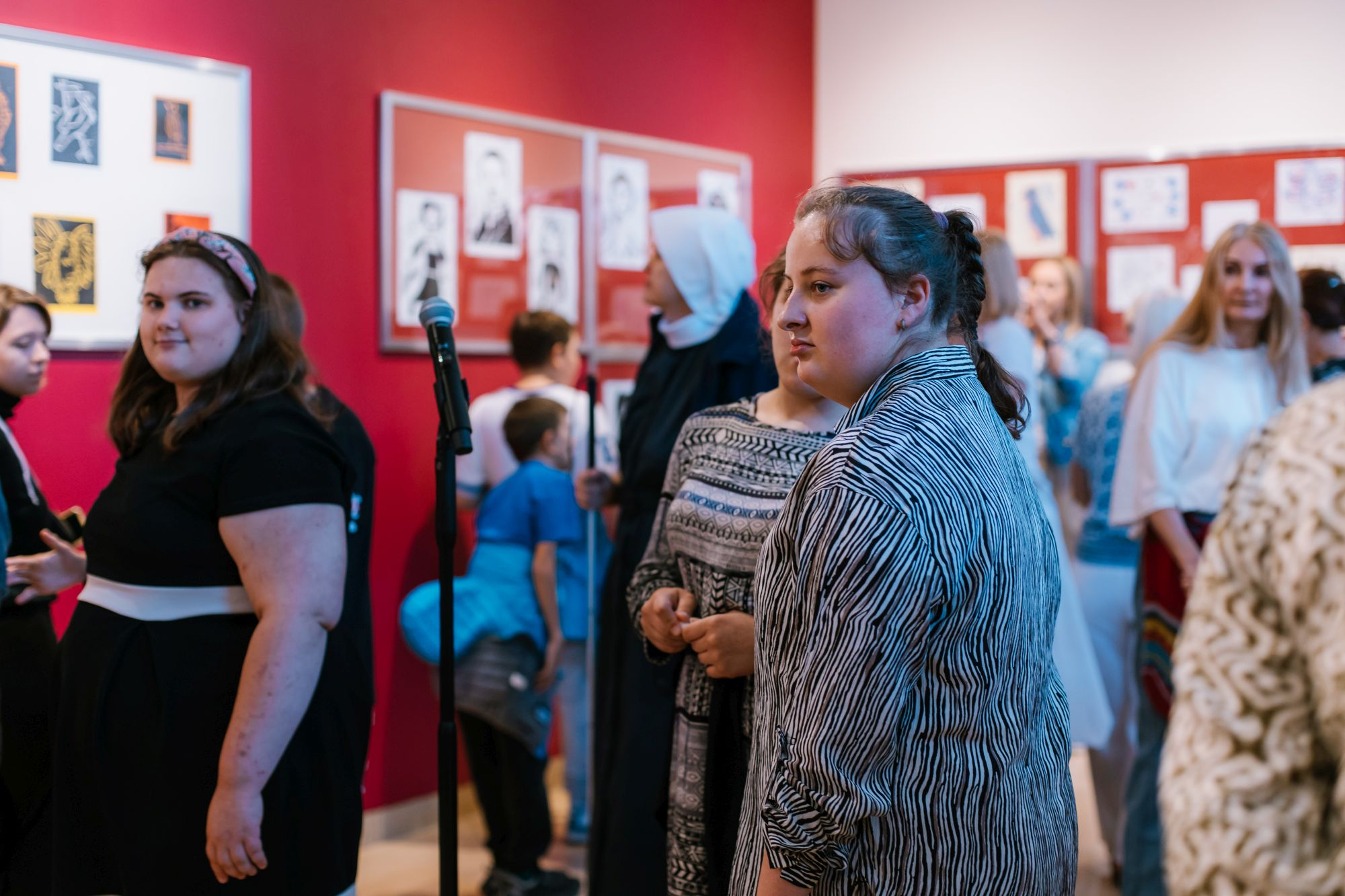
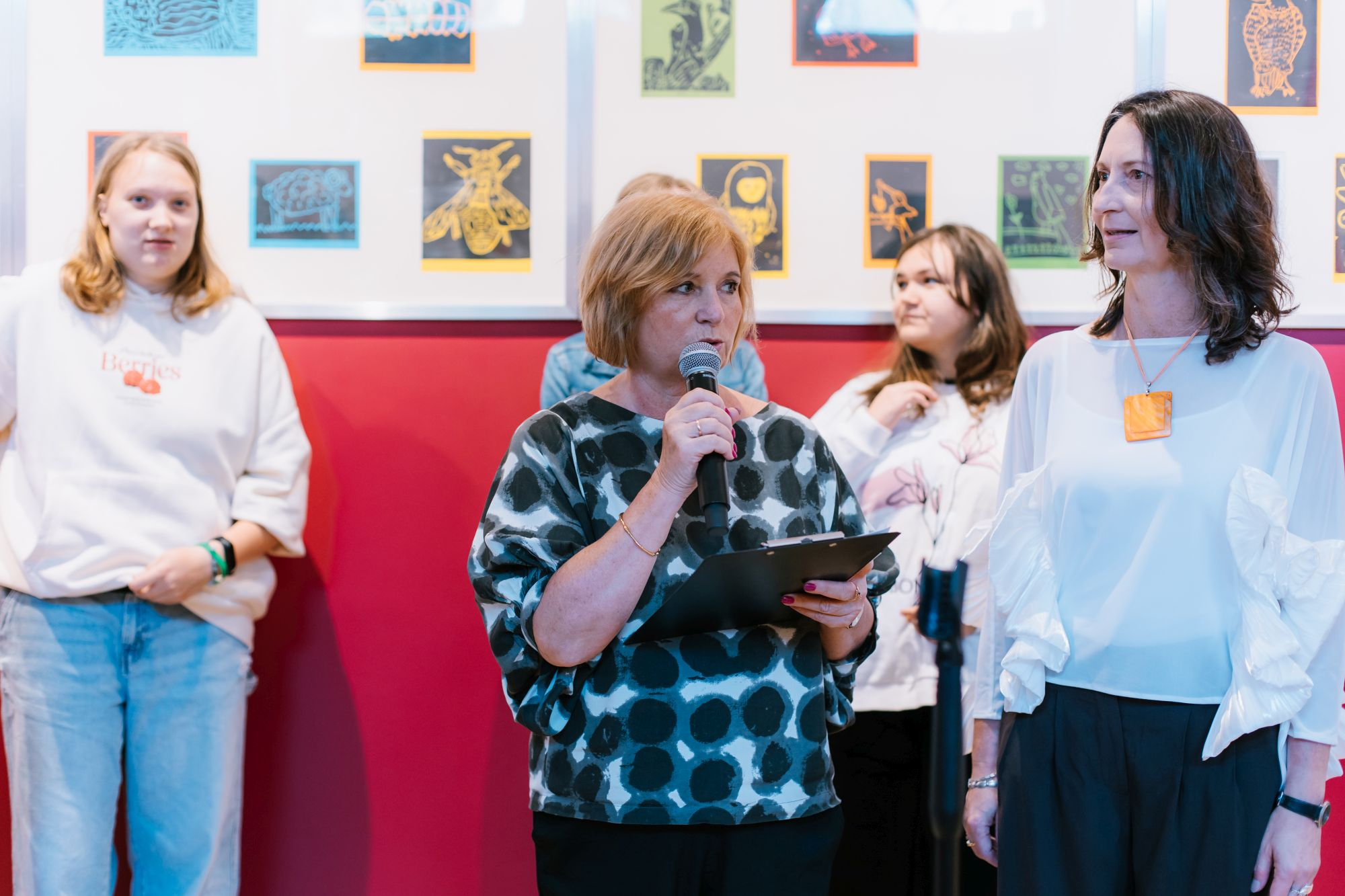
The themes of the works are very diverse - ranging from insects, birds, butterflies, and flowers to ambitious portraits inspired by the paintings of Bolesław Barbacki and “extraterrestrial beings” known as Angels, which most people associate with goodness and positive emotions. Our prints were created using several techniques, such as linocut, gypsum cut, collography, relief printing on cardboard, and monotype. Additionally, the exhibition is enriched by selected drawings and paintings that complement our artistic endeavors.
In a world of high technology and the nearly limitless possibilities of artificial intelligence, people sometimes wonder if their creativity still has any meaning. Hundreds of “creativity boosters” sold in discount stores - creative coloring books, diamond-painting kits, and paint-by-numbers kits - may provide a semblance of joy and satisfaction and beautify the world around us, but they have little to do with true creativity… Drawing on the simplest definition from AI, the introduction states: “A creative person is someone who thinks outside the box and has the ability to come up with original solutions, ideas, or works.” In this context, it is difficult to even comment on the “originality and unconventionality” of the artistic works mentioned above.
The works we’re presenting at the exhibition are 100 percent creative; they’re certainly one-of-a-kind, interpreted in a very personal way, and the ONLY ones of their kind in the ENTIRE world! Given this genuine development of creativity, these activities make sense regardless of the final product, because, taking this line of thought further, creativity is a trait that humanizes a person, distinguishes them from machines and animals, transcends self-preservation instincts, and is linked to imagination - which, unlike animals, they can share… Undoubtedly, culture and the sense of beauty go beyond the framework of mere existence. An animal digging a burrow, an ant building a mound, or a bird weaving a nest - they are certainly not guided by beauty. Perhaps these actions are accompanied by utilitarian goals related to perseverance and functionality, but certainly not to beauty. It is not a more attractive setting - “a den among old oaks” - or a more attractive branch for a nest - “the more beautiful color of a cherry twig” - that determines the finished products of the animal world, but often chance and instinct. THOUGHT - and, consequently, philosophy, aesthetics, and the culture we create - certainly “set” humans apart from the rest of the mammals and place them at the top of the biological pyramid.
I hope that the works presented at the exhibition will speak to viewers through their individuality, bold interpretation of the theme, and the beauty that comes from simplicity.
Club Advisor: Urszula Gawron-Leśniara
The title of this exhibition is, of course, a bit of a provocation, a way to stir things up, and food for thought to spark discussion. From the perspective of Albrecht Dürer’s brilliant apocalyptic visions, it is clear that not everyone can be like him; however, from a formal standpoint - in terms of printmaking technique - practically anyone can turn to traditional printmaking techniques and create a work of art - or a “little work” - using a chisel, a graver, and wood or its substitutes. Although graphic art isn’t as visually appealing at first glance as paintings, it offers tremendous opportunities both for developing creativity and for creating multiple copies. For our art club, this was an added bonus. The final piece could be given not only to mom and dad but also to a favorite friend or a favorite teacher.
The themes of the works are very diverse - ranging from insects, birds, butterflies, and flowers to ambitious portraits inspired by the paintings of Bolesław Barbacki and “extraterrestrial beings” known as Angels, which most people associate with goodness and positive emotions. Our prints were created using several techniques, such as linocut, gypsum cut, collography, relief printing on cardboard, and monotype. Additionally, the exhibition is enriched by selected drawings and paintings that complement our artistic endeavors.
In a world of high technology and the nearly limitless possibilities of artificial intelligence, people sometimes wonder if their creativity still has any meaning. Hundreds of “creativity boosters” sold in discount stores - creative coloring books, diamond-painting kits, and paint-by-numbers kits - may provide a semblance of joy and satisfaction and beautify the world around us, but they have little to do with true creativity… Drawing on the simplest definition from AI, the introduction states: “A creative person is someone who thinks outside the box and has the ability to come up with original solutions, ideas, or works.” In this context, it is difficult to even comment on the “originality and unconventionality” of the artistic works mentioned above.
The works we’re presenting at the exhibition are 100 percent creative; they’re certainly one-of-a-kind, interpreted in a very personal way, and the ONLY ones of their kind in the ENTIRE world! Given this genuine development of creativity, these activities make sense regardless of the final product, because, taking this line of thought further, creativity is a trait that humanizes a person, distinguishes them from machines and animals, transcends self-preservation instincts, and is linked to imagination - which, unlike animals, they can share… Undoubtedly, culture and the sense of beauty go beyond the framework of mere existence. An animal digging a burrow, an ant building a mound, or a bird weaving a nest - they are certainly not guided by beauty. Perhaps these actions are accompanied by utilitarian goals related to perseverance and functionality, but certainly not to beauty. It is not a more attractive setting - “a den among old oaks” - or a more attractive branch for a nest - “the more beautiful color of a cherry twig” - that determines the finished products of the animal world, but often chance and instinct. THOUGHT - and, consequently, philosophy, aesthetics, and the culture we create - certainly “set” humans apart from the rest of the mammals and place them at the top of the biological pyramid.
I hope that the works presented at the exhibition will speak to viewers through their individuality, bold interpretation of the theme, and the beauty that comes from simplicity.
Club Advisor: Urszula Gawron-Leśniara